
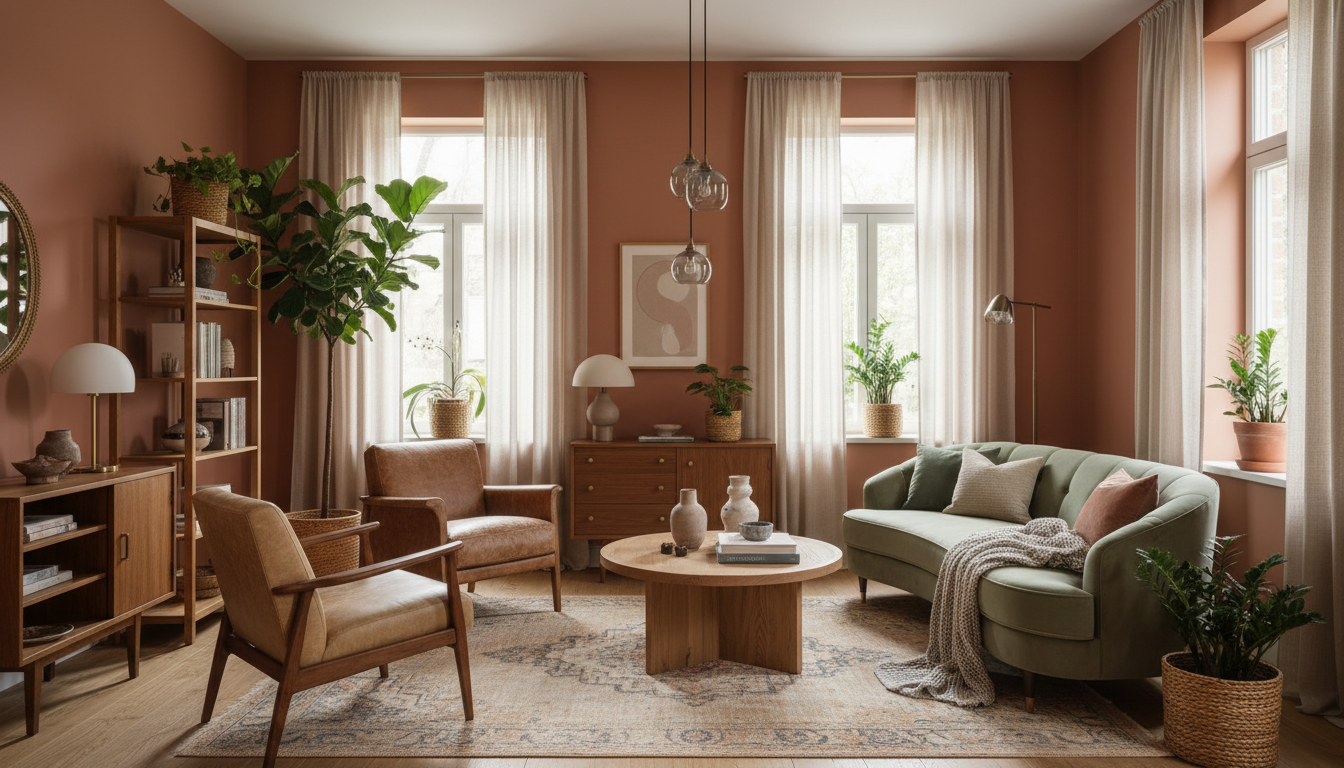
Home design trends 2027 are steering decisively away from the stark, all-white interiors that dominated the past decade. Homeowners are now prioritizing warmth, personality, and a genuine connection to nature in their living spaces—a marked reversal from the austere minimalism that once felt cutting-edge.
The shift is unmistakable. According to design forecasts from major home publications, earthy palettes like terracotta, sage, olive green, and muted pastels are replacing cool grays and clinical whites. This isn’t a superficial colour swap. It reflects deeper changes in how people want their homes to feel and function.
The Rise of Warm, Earthy Home Design Trends 2027
Walk into a home styled for 2027 and you’ll notice the colours first. Terracotta walls paired with warm wood floors. Sage green cabinetry in kitchens. Muted blush and ochre tones that soften living rooms. These aren’t trendy shades that will look dated in three years. They’re rooted in comfort and timelessness.
The appeal is straightforward. Cool minimalism can feel cold. Warm colours make spaces liveable. They invite you to sit down, to stay awhile, to actually live in the room rather than admire it from a distance.
This movement goes hand in hand with natural materials. Wood isn’t just for furniture anymore—it’s on walls, ceilings, and architectural features. Stone, clay, and untreated fabrics are becoming standard choices rather than niche selections.
Sustainable Design Meets Longevity
Homeowners aren’t just chasing aesthetics. They’re thinking about durability and environmental impact. The preference for natural, long-lasting materials reflects a growing fatigue with disposable design.
Vintage and secondhand furniture has shed its thrift-store stigma. It’s now a practical choice aligned with sustainability values. Buying a solid wooden dining table from 50 years ago beats purchasing a new one every five years. The economics work. The environmental math works. The story behind the piece works too.
This durability-first approach means renovation budgets are shifting. Rather than cheap, quick updates, homeowners are investing in pieces and finishes that will last decades. Natural stone countertops instead of laminate. Solid wood instead of veneers. Proper ventilation and materials that age gracefully rather than deteriorate.
Adaptable Design for Multigenerational Homes
Another defining shift for 2027: homes need to work for different bodies and abilities. Multigenerational living is no longer a temporary arrangement in many Indian households—it’s the default. Design must adapt.
This means wider doorways that accommodate mobility aids. Bathrooms with grab rails and slip-resistant flooring built in from the start, not retrofitted later. Kitchens with adjustable countertops or seating areas for those who can’t stand for long periods.
Aging in place features are becoming standard, not specialized. Ground-floor bedrooms with attached bathrooms. Open-plan living that reduces obstacles. Lighting that can be adjusted for different vision levels.
These changes benefit everyone. A parent with a knee injury uses the grab rails. A toddler benefits from lower counters. A visitor with limited mobility finds the space genuinely accessible. Smart design doesn’t scream “this is for disabled people.” It just works.
Wellness Spaces Beyond the Bathroom
For years, wellness in homes meant a nice shower or bathtub. In 2027, that’s expanding dramatically.
Indoor saunas and steam showers are moving from luxury hotels into residential homes. These aren’t tiny corner units—they’re proper wellness zones that anchor bathroom or bedroom design. They address stress, muscle recovery, and basic human need for ritual and relaxation.
Outdoor relaxation areas are also getting investment. Not just a patio with chairs, but designed spaces for meditation, yoga, or simply being outside without distraction. Some homes are incorporating water features, shade structures, and seating arrangements that encourage slowness.
This reflects a wider understanding that home wellness isn’t separate from home design—it’s integral to it.
Transparency in the Renovation Process
One often-overlooked trend: homeowners want clarity on renovation timelines and progress. Digital tools are becoming standard for this reason.
Apps and platforms that show real-time project updates, cost tracking, and timeline management reduce the anxiety that renovation brings. A homeowner can check progress without calling the contractor every other day. Payment schedules are tied to concrete milestones, not vague promises.
This transparency won’t revolutionize your home aesthetically. But it will make the process of getting there less stressful—and that matters. A smoother renovation experience means more people will actually complete projects rather than abandon them halfway.
What This Means for Your Next Update
If you’re planning a home update, the trends point clearly toward a few decisions.
Choose colours and materials that won’t feel dated in five years. Invest in pieces that will last. Build in flexibility for how spaces will be used—by different family members, different ages, different abilities. Plan for wellness as part of your design, not an afterthought.
And if you’re hiring contractors or designers, insist on clear timelines and progress updates. It’s a reasonable ask and it’s becoming standard practice.
FAQ
Q: Are minimalist interiors completely out of style?
A: Minimalism as a design philosophy isn’t dead, but the all-white, sterile version is fading. The current trend favours intentional, warm minimalism—fewer items but in natural materials and earthy colours.
Q: How do I incorporate warm colours without making my home feel dated?
A: Stick to earthy tones like sage, terracotta, and muted pastels rather than bright versions. Pair them with natural materials like wood and stone. These combinations have timeless appeal.
Q: Is aging in place design only for elderly people?
A: No. Universal design benefits everyone. Grab rails, accessible bathrooms, and wider doorways make homes easier to navigate for parents with children, people recovering from injuries, and anyone with temporary mobility limitations.
Q: Should I buy new furniture or secondhand for 2027 style?
A: Secondhand solid furniture aligns perfectly with 2027 trends around sustainability and durability. Quality vintage pieces are preferred over new mass-produced items.
Q: What’s the most important wellness feature to add to a home?
A: That depends on your needs, but investing in outdoor relaxation space is both affordable and impactful for most households. Even a simple seating area with shade encourages regular use and stress relief.
