
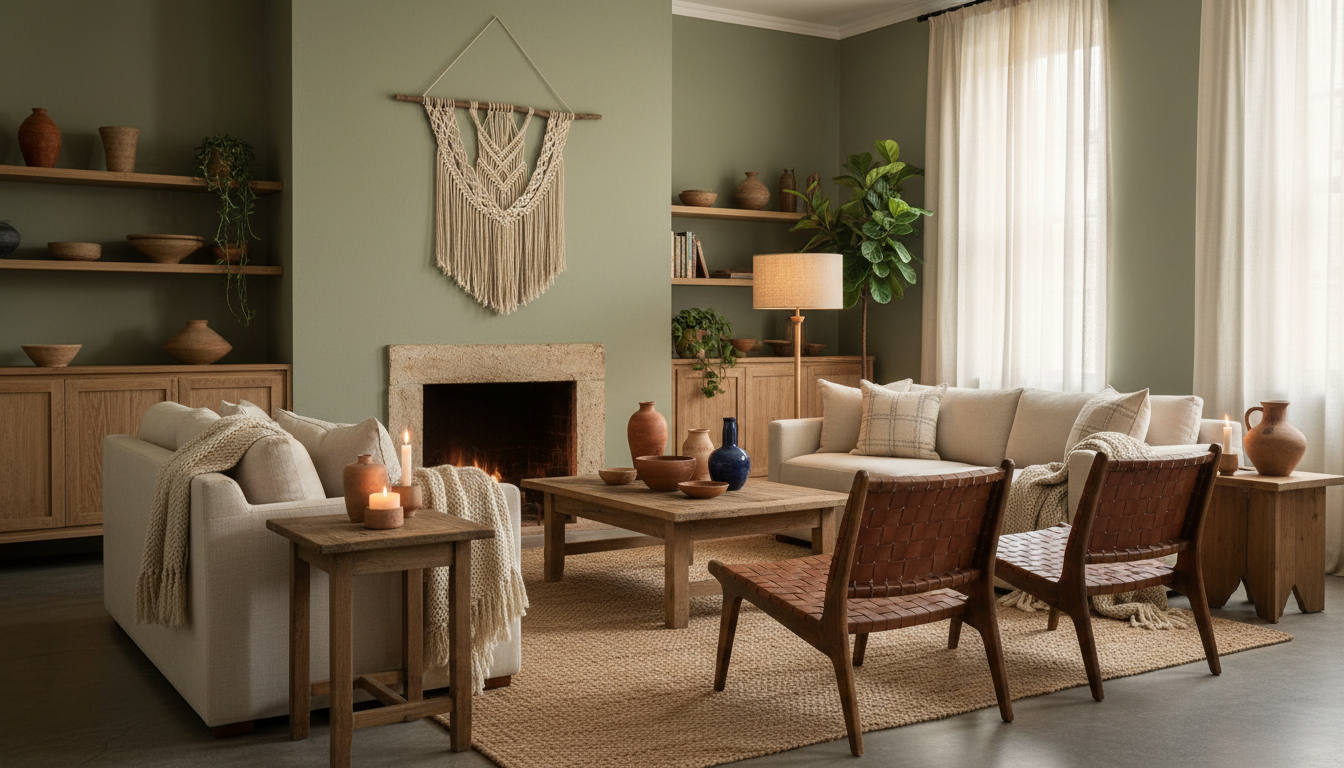
Fall home design trends are moving decisively away from the stark white-and-grey minimalism that dominated the past decade. According to the 2026 Houzz Fall Design Trends Report, homeowners and design professionals are united in rejecting polished perfection in favour of warmth, texture, and spaces built to last a lifetime.
The shift is dramatic enough that it signals a genuine recalibration in how people think about home. It’s not just a seasonal refresh or a cyclical swing of the design pendulum. The data suggests something deeper: families are rethinking what home actually means.
The End of Sterile Interiors
For years, open-plan layouts, minimalist colour schemes, and uncluttered surfaces dominated home design magazines and social media. White walls. Grey sofas. Hidden storage. The aesthetic promised calm and sophistication.
That era is ending. Nearly 50 design professionals interviewed for the Houzz report identified a clear consumer appetite for something else entirely. Homeowners want rooms that feel lived-in. They want colour. They want objects with history.
“Stark minimalism made homes feel like showrooms,” one designer’s sentiment reflected in the report suggests. The problem wasn’t aesthetic—it was emotional. Perfectly staged interiors didn’t match how people actually wanted to live.
Warmer tones now lead the preferences. Terracotta, sage green, warm greys, and muted ochre are replacing cool whites. These aren’t trendy accent colours; they’re becoming primary palettes. The shift opens space for furniture, textiles, and accessories that older minimalist schemes would have rejected as clutter.
Natural Materials Become Statement Pieces
Where minimalism valued clean lines and mass-produced uniformity, the new trend prioritises authenticity and craft. Natural materials are no longer confined to flooring or accent walls. They’re appearing in unexpected places: as sinks, lighting fixtures, and statement furniture pieces.
Handcrafted tile is gaining ground. Artisan plaster—rough, textured, imperfect—is being used on entire walls. Aged metals bring patina and history. Vintage architectural elements salvaged from older buildings are integrated into new homes.
This represents a deliberate choice against polish. A sink made from raw stone isn’t just functional; it’s a design statement. It says the homeowner values authenticity over perfection. It says they’re willing to see marks, variation, and imperfection as beautiful.
For Indian homeowners, this trend connects to existing appreciation for handcrafted goods and artisanal work. Jali screens, hand-thrown ceramics, reclaimed wood, and metalwork are suddenly aligned with international design direction rather than positioned as nostalgic or traditional.
The Forever Home Shift
Perhaps the most significant driver of these trends isn’t aesthetic at all—it’s demographic and financial. According to the Houzz report, 61% of homeowners plan to remain in their homes for 11 or more years following renovation. Another 44% describe their residence as a “forever home.”
This changes everything about how people design. If you’re planning to leave in five years, you might follow trends. If you’re staying for life, you design for yourself, not for resale value. You invest in things that matter to you personally.
That permanence drives demand for features that support aging in place. Curbless showers aren’t stylistic choices—they’re practical necessities for long-term living. Wider doorways accommodate mobility aids and future accessibility needs. Storage solutions are built with real life in mind rather than aspirational minimalism.
## Fall Home Design Trends Beyond Aesthetics
The 2026 trends reveal something important: design is becoming more personal and more practical simultaneously. Vintage pieces aren’t just decorative. They’re chosen because they mean something. A family might incorporate a reclaimed wooden door because it connects to their grandmother’s house, or a vintage mirror because they love its proportions.
This personalisation extends to how spaces function. Open shelving returns, but filled with curated objects rather than staged emptiness. Kitchen islands become gathering spaces with seating, not just prep surfaces. Bathrooms incorporate storage that’s accessible and visible rather than hidden behind cabinet doors.
Natural light becomes valued differently too. Where minimalist interiors sometimes felt deliberately cool and shadowed, the new spaces embrace warmth and brightness. Large windows with minimal coverings. Light-coloured woods rather than stained dark. Surfaces that reflect rather than absorb light.
The Role of Vintage and Secondhand
Part of this shift connects to environmental consciousness, though the Houzz report doesn’t frame it that way. Sourcing vintage pieces, reclaimed materials, and artisan-made goods aligns with both aesthetic preferences and sustainable practices. A handcrafted tile produced by a local artisan carries lower environmental cost than mass-manufactured alternatives.
For budget-conscious renovators, this trend is practical. Vintage pieces often cost less than new designer equivalents. A reclaimed wooden beam salvaged from a heritage building costs less than newly milled timber designed to look aged. Thrift stores and antique markets become design resources rather than budget compromises.
FAQ
Q: Is minimalism completely dead in home design?
No, minimalism isn’t disappearing entirely. The trend is moving toward “warm minimalism”—spaces that are uncluttered but filled with meaningful objects and warmer colours, rather than stark white-and-grey austerity.
Q: What are curbless showers and why are they trending?
Curbless showers have no raised edge between the bathroom floor and shower area. They’re trending because 61% of homeowners now plan to stay in their homes 11+ years, making aging-in-place accessibility features important. They’re easier to clean, safer for mobility, and work for households of all ages.
Q: Where can I find handcrafted tiles and artisan materials?
Local artisans, craft markets, heritage material salvage yards, and specialist online retailers stock handcrafted tiles and reclaimed materials. In India, traditional craft centres and SEWA cooperatives offer authentic artisan pieces aligned with these trends.
Q: Can I mix vintage pieces with modern furniture?
Yes—this is central to the new trend. Designers are specifically combining vintage and modern pieces to create layered, personal spaces. A vintage wooden chair next to a contemporary sofa works when the overall colour palette is warm and cohesive.
Q: Do I need to renovate my entire home to follow these trends?
No. Start small: repaint walls in warmer tones, add vintage textiles or furniture pieces, or introduce one statement piece in natural material. The trend emphasizes personal curation over complete redesign.
