
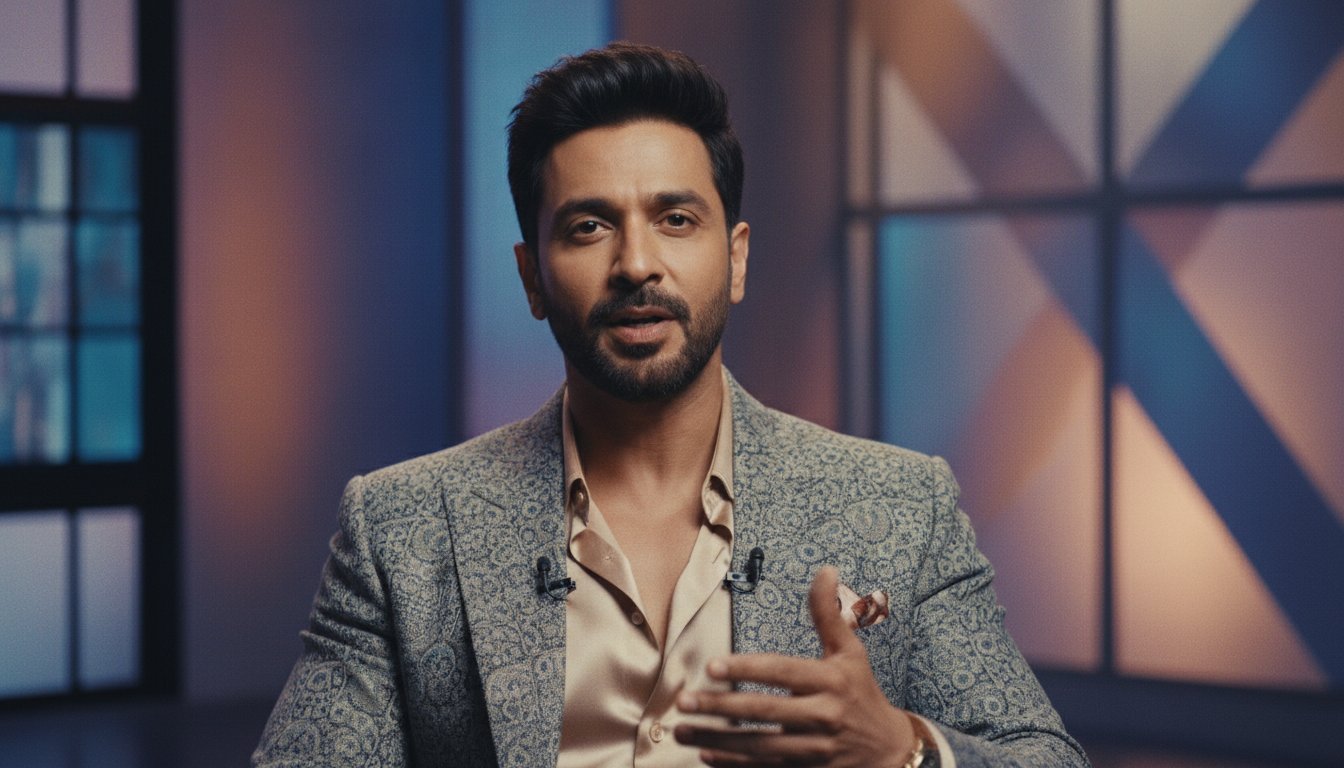
Salman Khan addresses negativity head-on in a recent candid interview, calling out what he sees as a calculated trend among online critics seeking attention through attacks on his work and public appearances.
The actor’s comments come amid growing chatter about his recent film performances and a viral moment from Bigg Boss 20, where he removed his shirt during the show. Khan has been vocal about the state of social media discourse, arguing that negativity has become a shortcut for people to gain followers and engagement.
Background
Khan’s latest remarks touch on a broader pattern that’s been building for months. According to reports, the actor described his Bigg Boss 20 moment as an impulsive decision—nothing more. Yet the incident immediately drew criticism from sections of social media, with trolls questioning his judgment and relevance.
Rather than ignoring the backlash, Khan has opted for a measured but pointed response. He’s acknowledged that some people use his name as a vehicle to build their social media presence. The strategy is transparent: attach yourself to a Bollywood A-lister’s controversy, generate engagement, and watch the follower count climb.
This isn’t Khan’s first rodeo with online criticism. As we reported earlier, he’s also called out body-shaming of other celebrities on social media, signalling that his frustration isn’t purely about attacks on himself but what he views as a toxic culture developing across platforms.
Salman Khan addresses negativity with a sharp edge
Khan’s approach to responding has been less defensive than strategic. He’s essentially said: if you’re using his name to build your brand, at least own it honestly. The wit lies in flipping the script—instead of denying critics matter, he’s suggesting they matter precisely because they’re trying to matter. It’s a subtle distinction that cuts deeper than a straightforward rebuttal.
On the subject of his recent films, Khan has been equally direct. He’s acknowledged that not every project will land with audiences. But he’s pushed back against the narrative that a single film’s underperformance signals decline. Critics, he suggests, are quick to sharpen their knives for content. His recent work has given them material to work with, certainly—but the speed and viciousness of the backlash, he argues, speaks more to the incentive structure of social media than to the quality of his films.
The shirt incident at Bigg Boss 20 illustrates this perfectly. It was a moment of spontaneity on a reality television show. It wasn’t calculated. Yet within hours, it became a talking point, a meme, a reason for strangers to weigh in on his choices. Khan’s point: this is now the currency of the internet. A real moment gets weaponised into engagement.
What this means for Bollywood audiences
For viewers and fans, Khan’s comments are a reminder that the online conversation around cinema is increasingly disconnected from the cinema itself. A film’s merit—or lack thereof—is now secondary to its utility as content fodder. Every actor’s misstep becomes material. Every box-office number is spun into a narrative of redemption or decline.
This has real consequences. It shapes which films get made, which actors get work, and what kind of storytelling studios are willing to fund. When the loudest voices online are those seeking attention through criticism, studios become risk-averse. They green-light safer projects. They double down on established names—sometimes, like Khan, even when those names have become polarising online.
For fans who simply want to enjoy films without the constant meta-commentary, Khan’s remarks also reflect a broader frustration. The joy of cinema is being eroded by the necessity to perform one’s opinions publicly. You can’t just watch a film anymore; you have to stake a position, defend it, argue it online.
Key takeaways
- Khan characterises online negativity as a deliberate strategy for social media attention, not genuine criticism.
- He’s acknowledged that his recent films haven’t always connected with audiences but argues the backlash is disproportionate.
- The Bigg Boss 20 shirt moment was spontaneous, not a publicity stunt, according to Khan.
- He’s pointed out that critics sometimes use his name specifically to build their own followings.
- Khan’s response reflects broader frustration within Bollywood about the toxicity of online film discourse.
FAQ
Q: Why did Salman Khan remove his shirt on Bigg Boss 20?
A: Khan described it as an impulsive decision made during the show. It wasn’t premeditated or part of a planned storyline.
Q: What is Khan’s main criticism of social media?
A: He argues that negativity and criticism have become a calculated trend on social media platforms, with people using high-profile figures’ names to gain followers and engagement rather than offering genuine critique.
Q: Does Khan think his recent films are bad?
A: He’s acknowledged that some haven’t connected with audiences as hoped, but he disputes the narrative that this signals broader decline or that the intensity of criticism is proportionate to the actual quality issues.
Q: Is Khan retiring from Bollywood?
A: No indication of this. He’s responding to criticism by calling out what he sees as unfair online culture rather than stepping back from acting.
Q: How has Khan responded to trolls in the past?
A: He’s previously called out body-shaming and paparazzi culture, showing a pattern of publicly addressing what he views as toxic online and media behaviour.
Also read
- Bollywood Mourns Veteran Actor Nana Patekar’s Passing; Shah Rukh Khan, Salman Khan Pay Tributes
- Robert Pattinson Cast as Next James Bond—Fans Celebrate, Critics Divided on 007 Choice
