
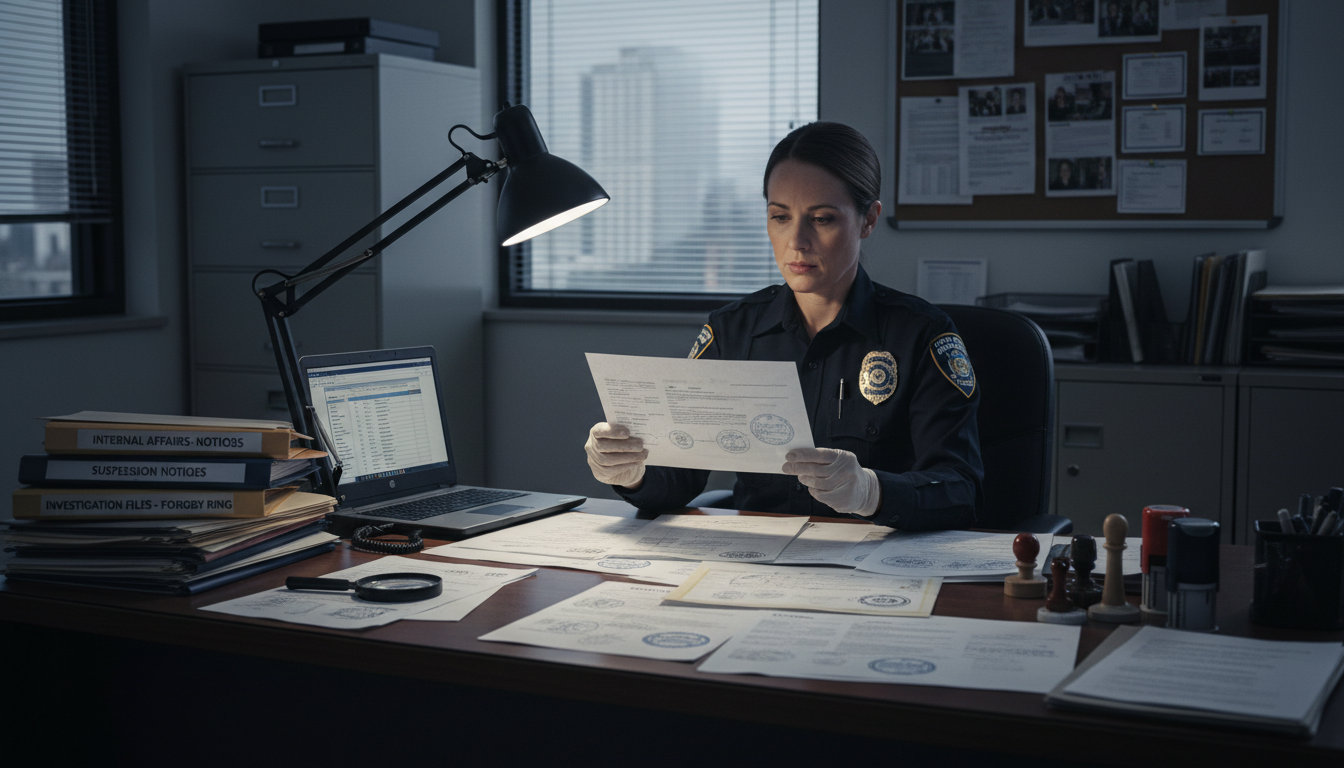
An investigation into the Uttarakhand MBBS admission scam has intensified with the arrest of a Bhopal-based agent, marking the third arrest in a case that has exposed systematic fraud at state medical colleges using forged freedom fighter dependent certificates.
Dheeraj Kumar Srivastava, the agent arrested from Madhya Pradesh, allegedly orchestrated admissions to Uttarakhand’s medical institutions through falsified documentation. Police recovered Rs 5.5 lakh in commission from Srivastava, part of an operation that charged candidates Rs 45 lakh per seat.
The scam’s unraveling has also triggered action against two revenue inspectors who face suspension for alleged negligence in verifying documents submitted during the admission process. Their failure to flag forged certificates allowed fraudulent candidates to slip into state medical colleges.
How the MBBS Admission Scam Operated
The scheme was straightforward in its audacity. Candidates lacking merit or proper credentials paid agents like Srivastava to arrange admissions through forged freedom fighter dependent certificates. These certificates, which carry reservation benefits in educational institutions, became the primary tool for the fraud.
Srivastava’s role was critical. He connected prospective candidates with the forgery network and handled logistics on the ground in Uttarakhand. His commission structure—Rs 5.5 lakh recovered from him—suggests a well-oiled operation moving multiple candidates.
The per-candidate cost of Rs 45 lakh placed admissions within reach of wealthy families willing to bypass entrance exams. Medical seats in state colleges are scarce; the demand made such schemes viable.
Revenue Inspectors Face Action for Document Verification Failures
Two revenue inspectors have been suspended for negligence in verifying admission documents. Their inattention allowed forged certificates to pass scrutiny at the point of entry.
Revenue inspectors are tasked with validating certificates and credentials. In this case, they either failed to cross-check the authenticity of freedom fighter dependent claims or lacked proper protocols to do so.
The suspensions signal that authorities view the failures as systemic. Simple oversight was not the issue. Rather, inadequate verification mechanisms at the college admission level created space for fraud to flourish.
Investigation Expands: Three Arrests and Counting
With Srivastava’s arrest, the case now involves three accused. Earlier arrests included other agents and facilitators embedded in the admission machinery.
Police have not yet disclosed whether more arrests are pending. Investigators are likely tracing the network upward—toward college officials, forgers, and perhaps higher-level coordinators.
The three arrests suggest the scam was not the work of isolated rogue actors. A coordinated chain connected forgers, agents, college staff, and revenue officials.
The Broader Context of Medical College Admissions in Uttarakhand
Uttarakhand’s medical education sector has faced scrutiny before. The state operates several government medical colleges with limited seats and high competition.
NEET (National Eligibility cum Entrance Test) determines most admissions based on merit. However, reserved categories—including freedom fighter dependents—exist outside the purely merit-based pool. These categories became the loophole.
Fraudsters exploit such categories because verification mechanisms are often weaker. A forged certificate from a remote freedom fighter is harder to validate than a fabricated NEET score, which would show up immediately in national databases.
What Comes Next
The state medical education authorities face pressure to overhaul verification systems. Simply suspending two inspectors will not restore credibility without structural reform.
Colleges must implement cross-checks with revenue departments before confirming admissions. Digital verification systems could reduce reliance on manual document inspection.
Candidates admitted through fraudulent means may face cancellation of their admissions and academic records. The ripple effect could extend to their medical licenses if they complete degrees.
FAQ
Q: How many people have been arrested in the Uttarakhand MBBS admission scam?
A: Three accused have been arrested so far. The most recent arrest is Dheeraj Kumar Srivastava, a Bhopal-based agent. Police are investigating whether additional arrests will follow.
Q: What documents were forged in the scam?
A: Freedom fighter dependent certificates were forged to gain reservation benefits in medical college admissions. These certificates are normally issued to dependents of freedom fighters and carry special admission privileges.
Q: How much did candidates pay per seat in the scam?
A: Candidates paid approximately Rs 45 lakh per MBBS seat. Agents involved in the fraud, like Srivastava, earned commissions of around Rs 5.5 lakh per transaction.
Q: What action has been taken against revenue officials?
A: Two revenue inspectors have been suspended for alleged negligence in verifying forged documents during the admission process. Their failure to validate certificates allowed fraudulent candidates to gain entry to state medical colleges.
Q: Which medical colleges were targeted in the scam?
A: The investigation involves state medical colleges in Uttarakhand, though specific institution names have not been disclosed in available reports. The scam appears to have affected multiple colleges rather than a single institution.
