
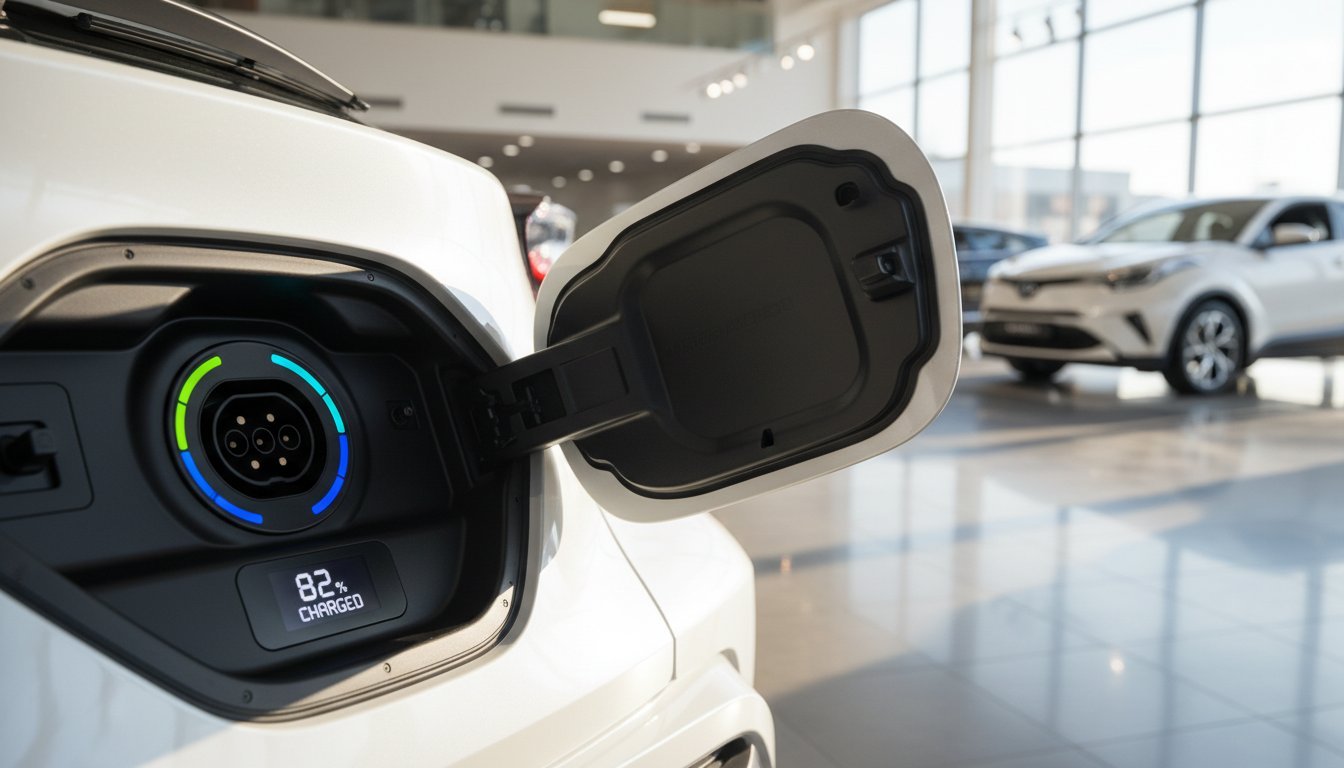
Toyota C-HR EV recall has been initiated globally over a critical battery software fault that affects roughly 19,000 units worldwide. The Japanese automaker says faulty programming in the EV-ECU—the electronic control unit managing the electric powertrain—can cause the battery to overcharge and trigger sudden shutdown of the electric drive system while the vehicle is in motion.
The recall according to reports, impacts around 10,000 vehicles in the United States alone. Additional affected units are distributed across Germany and other international markets. Vehicles built between 17 June 2025 and 9 July 2026 fall within the recall window.
Toyota will deploy a software update to repair the fault. All repairs will be handled at authorised Toyota dealerships and provided free of charge to owners. The company has not disclosed a specific timeline for the rollout, though dealers have been instructed to contact registered owners directly.
Background
The C-HR EV is Toyota’s compact electric SUV, positioned to compete in the growing global market for affordable battery-powered crossovers. The model launched amid Toyota’s broader push to expand its EV portfolio following years of investment in hybrid technology.
The battery control software glitch represents a significant safety concern. An unexpected loss of electric drive power while driving—particularly on highways or in heavy traffic—creates immediate hazard for the occupants and other road users. This type of failure also risks sudden loss of regenerative braking, which electric vehicles rely on for energy recovery and additional stopping power.
Software-related recalls in EVs have become increasingly common as automakers race to deploy new battery management systems. As we reported earlier, fellow EV maker Rivian similarly addressed a structural battery issue across its R2 lineup, highlighting the evolving nature of safety concerns in the nascent electric vehicle sector.
Toyota C-HR EV recall: Understanding the EV-ECU and battery overcharging risk
The EV-ECU is the primary computer that manages how much power flows from the battery to the electric motor and how quickly the battery charges when plugged in. Faulty programming can allow current to exceed safe limits, causing internal heat and potential degradation or failure of battery cells.
Overcharging doesn’t always produce immediate visible symptoms. Batteries may function normally for weeks or months while internal damage accumulates. However, the combination of overcharging and the secondary fault—unexpected powertrain shutdown—suggests a more complex software interaction rather than a simple charging calibration error.
What this means for Indian EV buyers
India’s electric vehicle market remains nascent compared to mature Western and Chinese markets. While Toyota has not yet launched the C-HR EV in India, this recall underscores the importance of battery safety verification before purchasing any imported or domestic EV.
The recall also raises questions about software quality assurance as automakers scale EV production. Indian buyers considering premium imported EVs should examine manufacturer service infrastructure and software update protocols in their purchase decision.
The competitive pressure in the global EV space—driven by new model launches from Chinese and European makers—may accelerate the introduction of similarly-priced C-HR competitors into the Indian market within the next 18 to 24 months. When such vehicles arrive, Indian customers would benefit from understanding how different manufacturers handle battery firmware updates and recalls.
Domestic manufacturers like Tata Motors and Mahindra, which already sell EVs in India, could use Toyota’s transparent recall handling to build buyer confidence in their own after-sales processes.
Geographic and production scope
The recall spans multiple continents. Ten thousand units in North America represent the largest single concentration. Europe, particularly Germany, accounts for a substantial secondary batch. The remainder are distributed across other markets Toyota serves with the C-HR EV.
Vehicles manufactured after 9 July 2026 are unaffected, indicating Toyota identified and corrected the software issue mid-production.
Key takeaways
- Toyota is recalling approximately 19,000 C-HR EV units globally due to battery overcharging software faults in the EV-ECU.
- About 10,000 recalled vehicles are in the US; others are in Germany and international markets.
- Affected models were produced between 17 June 2025 and 9 July 2026.
- All software repairs will be performed free of charge at Toyota dealerships.
- The issue can cause unexpected electric drive shutdown while driving, creating a safety hazard.
FAQ
Q: What is the EV-ECU and why does its software matter?
A: The EV-ECU is the main computer controlling power delivery from the battery to the motor and managing charging rates. Faulty software can allow overcharging and trigger unexpected power loss, which is dangerous while driving.
Q: How many C-HR EV vehicles are recalled globally?
A: Approximately 19,000 units worldwide are affected. Around 10,000 are in the United States, with the rest distributed across Germany and other markets.
Q: Which production dates are covered by the recall?
A: Vehicles manufactured between 17 June 2025 and 9 July 2026 are included. Models built after 9 July 2026 are not affected.
Q: Will I have to pay for the software update?
A: No. Toyota dealerships will perform all repairs and software updates free of charge for affected owners.
Q: Is the C-HR EV available to buy in India?
A: Not currently. Toyota has not launched the C-HR EV in the Indian market. However, the recall demonstrates the importance of battery safety in EV purchases as the market expands globally.
