
Kedarnath trek safety has become a critical operational focus after State Disaster Response Force (SDRF) personnel escorted over 9,000 pilgrims across a treacherous, boulder-strewn stretch of the sacred route near Chirbasa helipad. The rescue effort highlights the ongoing hazards facing the hundreds of thousands who undertake the annual pilgrimage to one of Hinduism’s four most revered shrines.
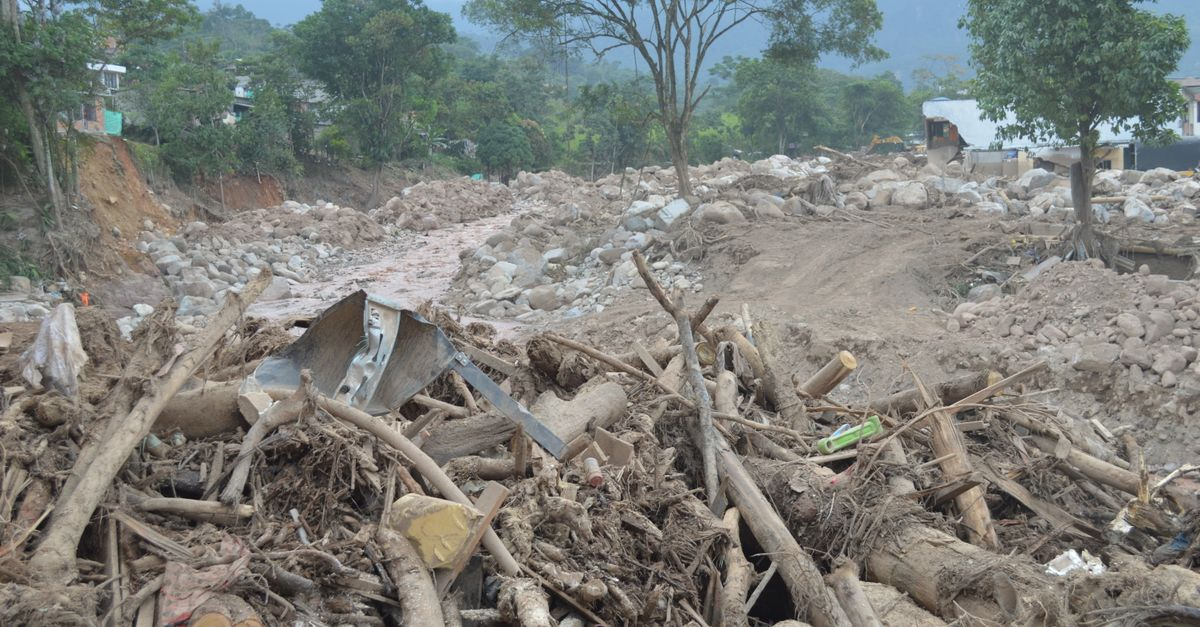
The affected section has become a bottleneck and a genuine threat. Falling boulders and debris have repeatedly halted movement along the trekking route. Weather has worsened conditions considerably. Rainfall loosens soil and rocks already destabilized on the steep mountainside near Chirbasa. The combination creates an unpredictable danger zone where hikers must move quickly—but safely.
SDRF teams positioned themselves directly at the hazard zone to shepherd groups through. Their presence alone has prevented panic. The force coordinates timing, spacing, and pace to minimize exposure. Each group gets briefed on the risks before crossing. Personnel also monitor the cliff face continuously for fresh falls.
Why Chirbasa is particularly vulnerable
Chirbasa sits at roughly 3,600 metres altitude on the approach to Kedarnath shrine. The helipad there serves as a convergence point for pilgrims arriving by different routes. But the geology around it is unstable. Loose soil compounded by exposed rock faces means rockfalls are not anomalies—they are routine hazards.
The monsoon season (June through September) amplifies these risks. Heavy downpours destabilize slopes further. Snowmelt in spring can also trigger fresh slides. By the time autumn arrives and the main pilgrimage season peaks, the mountain has already been stressed by months of water infiltration.
Kedarnath trek safety measures now in place
The SDRF deployment represents a significant operational shift. Previously, pilgrim management relied on basic crowd control at key points. Now active hazard mitigation is standard. Personnel don’t just direct foot traffic—they actively assess conditions and halt movement when rockfalls occur.
The force coordinates with local police to maintain order and prevent bottlenecking that could lead to crush incidents. Communication equipment allows real-time updates if conditions worsen. If boulders fall while groups are crossing, teams can respond immediately rather than waiting for reports to filter up.
This is not a permanent solution. The underlying geology remains dangerous. But for the current pilgrim season, the approach has proven effective. Over 9,000 people have passed through without serious incident.
The broader context of Kedarnath pilgrimage hazards
The 2013 disaster in Uttarakhand remains vivid in collective memory. That year, flash floods and cloudbursts killed thousands across the state. Kedarnath shrine itself was damaged. The disaster exposed the region’s vulnerability to sudden hydrological and geological events.
Since then, disaster management frameworks have improved. But the Kedarnath trek still poses inherent risks. The terrain is steep. The weather is unpredictable. The altitude affects many pilgrims unaccustomed to high-altitude trekking. Falls, altitude sickness, and exhaustion cause injuries and deaths most years, separate from natural disasters.
The boulder falls near Chirbasa represent a known hazard that can be managed through deployment of trained personnel. That makes it distinct from sudden floods or earthquakes, which give little warning. But it also makes it a hazard officials can address now, without waiting for monsoons to pass or infrastructure projects to complete.
Why pilgrim numbers remain high despite risks
Nearly 250,000 people trek to Kedarnath annually. Many are elderly. Some are in poor physical condition. Yet they come. The spiritual pull of the shrine overrides caution for most. The pilgrimage is considered a once-in-a-lifetime obligation by many Hindus.
Tour operators and travel agencies organize group treks. This creates both safety advantages and risks. Groups move together, which means collective benefit from SDRF oversight. But crowding during peak hours can itself become dangerous.
Local authorities have tried staggering pilgrim arrival times. This reduces instantaneous crowding at hazard zones. But enforcing staggered flows on a voluntary pilgrimage route is difficult. Pilgrims often travel on their own schedule or with informal groups.
Current conditions and outlook
As of the reporting period, SDRF teams remain stationed at Chirbasa. The monsoon has ended, but loose material on the slopes continues to shift. Personnel stay alert. Falling rocks, while less frequent than during heavy rains, still occur.
The Uttarakhand government has flagged the need for longer-term engineering solutions—retaining walls, rockfall netting, or rerouting the trail entirely. These take time and money. For now, human effort fills the gap.
FAQ
What caused the boulder falls on the Kedarnath trek?
Loose soil and rocks on the mountainside near Chirbasa helipad, combined with damage from rainfall, cause recurring rockfalls. The steep terrain and high altitude exacerbate the instability.
How many pilgrims have crossed safely with SDRF help?
Over 9,000 pilgrims have been escorted across the dangerous stretch by SDRF and police personnel stationed at the affected area.
Is the Kedarnath trek still open to pilgrims?
Yes. The trek remains open with active SDRF oversight at the hazard zone. Pilgrims are advised to move through the dangerous stretch quickly but carefully under the guidance of stationed personnel.
What time of year is the Kedarnath trek most dangerous?
The monsoon season (June through September) creates the highest risk due to heavy rainfall loosening soil and rocks. However, the stretch near Chirbasa remains hazardous year-round due to unstable geology.
Can pilgrims avoid the Chirbasa stretch?
The Chirbasa helipad area is a convergence point on the main Kedarnath trekking routes. Alternative paths exist but are longer or require different logistics. Most pilgrims pass through or near Chirbasa during their trek.
