
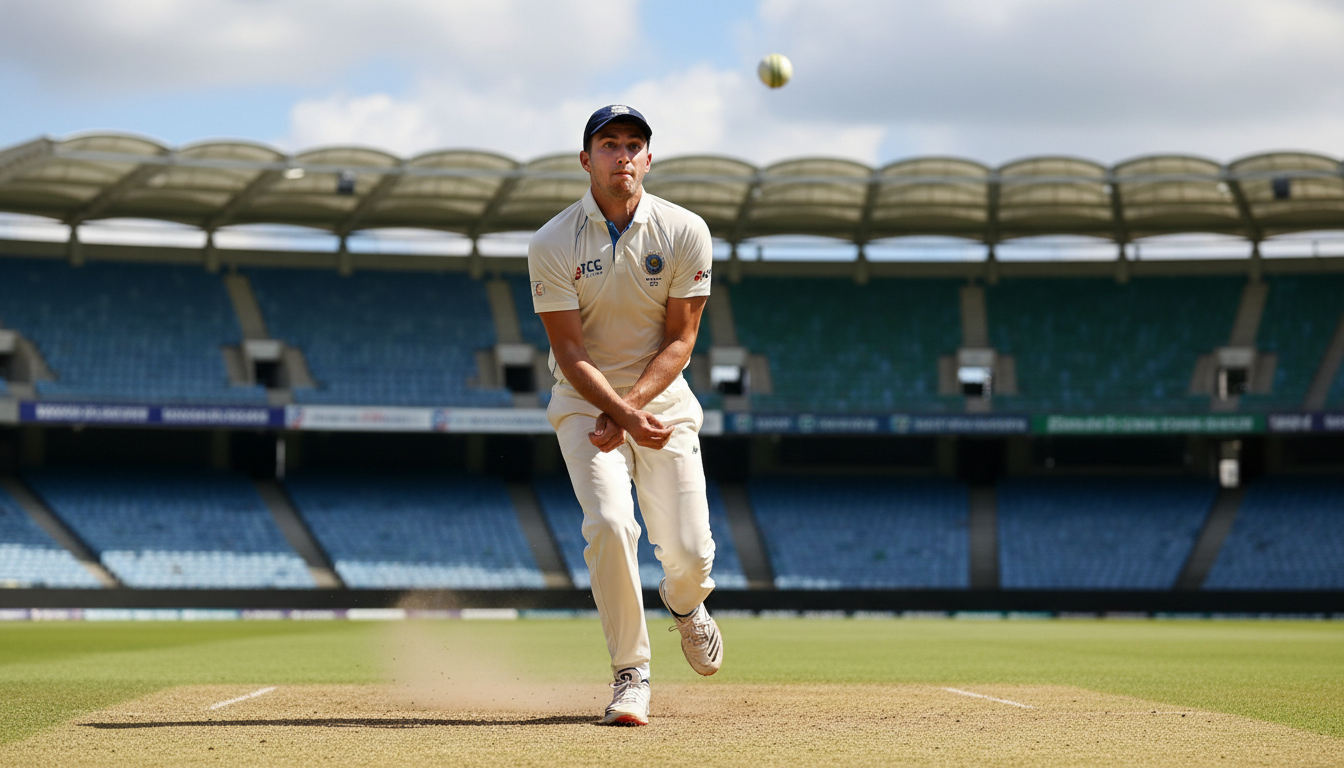
India fast bowlers dominate New Zealand in the opening ODI of the series, with young tearaway Arshdeep Singh leading the charge with four wickets to skittle the visitors for just 185 in 40.2 overs. The display was a masterclass in disciplined seam bowling on a surface offering some movement, and it sets up India nicely in what promises to be a competitive three-match series.
Arshdeep’s four-wicket haul was the standout performance, but the real story lies in how India’s bowling unit functioned as a cohesive whole. According to trending cricket updates, Gurnoor Brar and Anshul Kamboj provided the necessary support with bowling that was tight and purposeful throughout New Zealand’s innings. There were no loose spells. No death bowling heroics needed, either—the job was done long before that.
India Fast Bowlers Dominate with Youth and Precision
What stands out most is that India didn’t need a star-studded attack to restrict New Zealand. Arshdeep is 23 years old. Brar and Kamboj are young cricketers still building their international resumes. Yet they bowled like seasoned pros who understood their roles and executed them without fuss.
The Indian pace contingent came out with a clear plan. Bowl tight lines. Don’t give away width. Exploit any movement on offer. Use the short ball sparingly. New Zealand’s batsmen found scoring difficult from the outset. By the time they reached 185, frustration had set in rather than confidence.
Arshdeep Singh’s four wickets came at a time when India has been testing various fast-bowling combinations. The young left-armer has always had the skill set—raw pace, decent bounce, and a willingness to bowl in tough situations. But consistency at the international level can take time. This performance suggests he’s turning a corner.
The Middle Overs Story
What’s particularly telling is that India didn’t need a spectacular opening burst or a devastating death bowling spell. The middle overs—typically where ODI batting should accelerate—saw New Zealand struggle. Brar and Kamboj took their chances and stuck to their task. The visitors were made to work for every run.
This kind of bowling performance builds momentum. If India’s batsmen bat with even basic discipline, chasing 185 should be straightforward. But that’s not the point here. The point is that India’s fast bowling, led by Arshdeep Singh, showed enough quality and application to suggest this series could lean heavily in India’s favour.
The bowling attack worked without relying on one standout spell. That’s the hallmark of a balanced unit. One bowler taking four wickets is excellent. Two supporting bowlers maintaining discipline alongside him is what wins series.
What This Means for the Series Ahead
India’s fast bowlers dominate when they bowl to a plan, and that’s exactly what happened in the opening ODI. If Arshdeep can maintain this level across the series, he’ll stake a strong claim for regular selection in India’s white-ball setup. Brar and Kamboj, too, will have shown the selectors they can perform when given a chance.
New Zealand came to India as a competitive ODI side. Restricting them to 185 isn’t done by accident. It requires discipline, accuracy, and a bit of luck. India’s bowlers delivered on all three counts.
The next two ODIs will tell us whether this was a one-off performance or the start of a dominant series for India’s pace attack. Early signs are encouraging.
FAQ
Q: How many wickets did Arshdeep Singh take in the first ODI against New Zealand?
A: Arshdeep Singh took four wickets in the opening match, spearheading India’s bowling attack and playing a key role in restricting New Zealand to 185.
Q: What was New Zealand’s total in the first ODI?
A: New Zealand was restricted to 185 runs in 40.2 overs by India’s disciplined bowling performance.
Q: Which other bowlers supported Arshdeep Singh in the opening ODI?
A: Gurnoor Brar and Anshul Kamboj provided crucial support with disciplined bowling throughout New Zealand’s innings, working alongside Arshdeep Singh to restrict the visitors.
Q: What does India fast bowlers dominate performance suggest for the rest of the series?
A: The opening ODI showing suggests India’s bowling unit has the quality and cohesion to perform well across the three-match series, particularly if they maintain discipline and execute their plans consistently.
Q: How many overs did it take for New Zealand to score 185 runs?
A: New Zealand’s 185-run total came off 40.2 overs, indicating they struggled to maintain momentum throughout their innings against India’s fast bowlers.
