
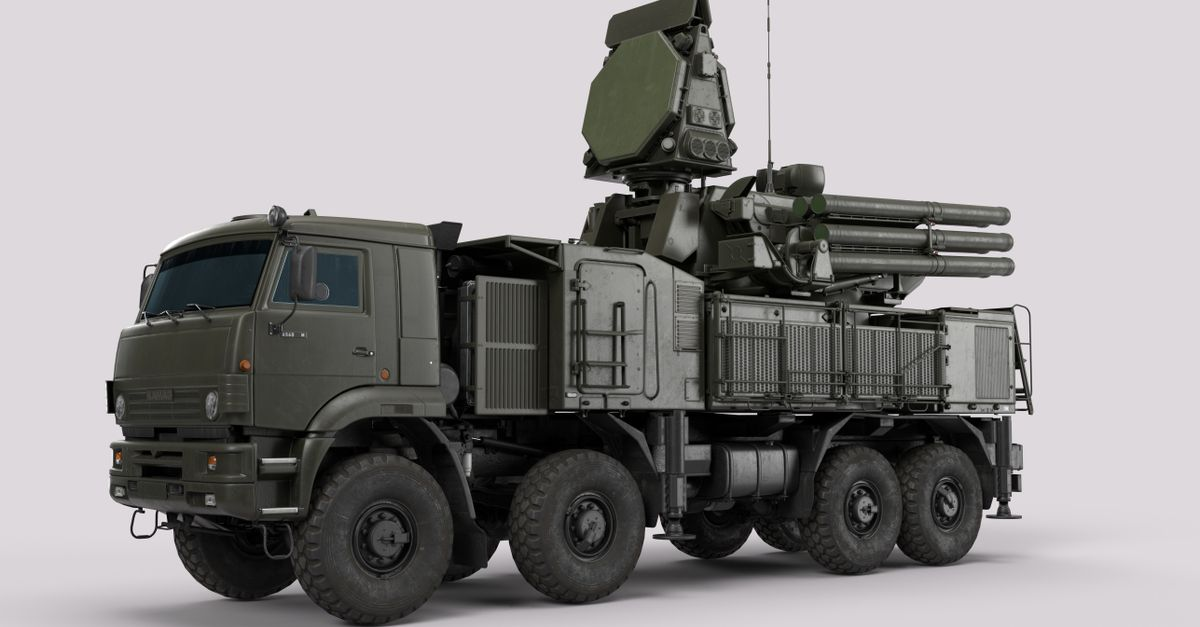
Saudi Arabia is investigating a Houthi air defense failure that allowed missiles and drones to strike King Khalid International Airport in Riyadh, killing at least 13 people and injuring over 300 in one of the deadliest attacks on the kingdom in months.
The barrage traveled more than 1,000 kilometres from Yemen before penetrating defences that have cost Saudi Arabia billions of dollars to build and maintain. The airport strike represents a dramatic escalation in the four-year conflict between the Saudi-led coalition and the Iranian-backed Houthi militia. It also signals deepening vulnerabilities in one of the region’s most heavily fortified air defence networks—precisely at a moment when Washington is considering direct military involvement.
The Attack and Its Toll
The assault on Riyadh airport occurred in waves. Houthi forces launched missiles and unmanned drones at the civilian facility in what appears to have been a co-ordinated strike. Emergency services overwhelmed. Runways damaged. Departure halls filled with smoke and panic.
According to reports from the region, the death toll reached 13 confirmed, with casualty figures still being compiled days after the attack. More than 300 people sustained injuries ranging from minor to critical. Some victims were airport staff. Others were passengers and visitors.
The strike disrupted flights across the Arabian Peninsula. Airlines rerouted planes. Travellers faced delays spanning hours or days. The economic cost extended beyond the airport—oil markets reacted to concerns about stability in Saudi Arabia, a nation responsible for roughly 10 per cent of global crude supply.
Houthi Air Defense Failure: Questions About System Capabilities
Saudi Arabia operates some of the world’s most advanced air defence systems. The kingdom fields American-made Patriot batteries. It deploys THAAD units. It maintains Hawk systems and shorter-range air defence platforms.
Yet missiles got through.
The Houthi projectiles travelled 1,000-plus kilometres across Saudi airspace. Some reports suggest they employed cruise-missile technology. Others indicate drone strikes. The exact composition of the attack remains unclear, but the result is unmistakable: Saudi air defences either failed to detect the incoming threat, failed to track it, or failed to intercept it.
An investigation is now underway. Saudi defence officials are scrutinising radar coverage over the 1,000-kilometre corridor from Yemen. They are examining whether gaps existed in detection systems. They are reviewing interception protocols and response times.
The failure raises uncomfortable questions for Riyadh’s military establishment and for foreign partners supplying the kingdom with hardware.
Why This Matters for Regional Stability
The attack exposes weaknesses that the Houthis can exploit repeatedly. If missiles can reach Riyadh airport once, they can reach it again. The militia controls territory in northern Yemen. It has developed or acquired a growing arsenal of long-range weapons.
Saudi Arabia has responded to previous Houthi attacks with airstrikes on militant positions in Yemen. Those campaigns have not eliminated the threat. They have not prevented new attacks. Instead, the conflict has hardened—becoming more violent, more frequent, and geographically wider.
Concerns about potential US intervention have risen following the Riyadh airport strike. Washington has supplied Saudi Arabia with billions in military equipment and training. Direct American involvement could reshape the war’s trajectory—and escalate tensions with Iran, which backs the Houthis.
Regional Context and Comparison
For readers in South Asia, the parallels are instructive. Long-range missile technology deployed by non-state actors presents a modern security challenge. Pakistan has faced drone and missile strikes from militants in Balochistan and the tribal areas. India contends with Pakistani-backed groups operating cross-border weapons. The notion that advanced air defences provide an impenetrable shield—as Saudi Arabia believed—is increasingly outdated.
The Houthis have demonstrated innovation in weaponry. They have adapted commercial drone technology for military use. They have reverse-engineered missiles. The sophistication of their arsenal has grown substantially since the Saudi-led coalition launched its air campaign in 2015.
What Happens Next
Saudi Arabia will likely accelerate its air defence upgrades. The kingdom may request additional interceptor missiles. It may ask for improved radar systems or integration of new technologies. Washington is likely to oblige—the US has strategic interests in keeping Saudi Arabia secure and stabilised.
However, hardware upgrades take time. Manufacturing bottlenecks, training periods, and deployment delays can stretch into months or years. In the interim, the Houthis retain the ability to launch fresh attacks.
The investigation into the Houthi air defence failure will consume weeks, possibly months. Blame will be assigned—to commanders, to maintenance crews, to system operators, or to the equipment itself. But the essential problem remains: a non-state militia has developed weapons capable of penetrating one of the world’s most expensive air defence networks.
FAQ
Q: How far did the Houthi missiles travel in the Riyadh airport attack?
A: The missiles and drones travelled more than 1,000 kilometres from Yemen to reach King Khalid International Airport in Riyadh.
Q: How many people were killed in the Riyadh airport strike?
A: At least 13 people died in the attack. Over 300 were injured.
Q: Why did Saudi air defences fail to intercept the missiles?
A: Saudi Arabia is currently investigating. The exact cause—whether gaps in radar coverage, system failures, or other factors—has not been publicly determined.
Q: Is the United States planning to intervene in the Saudi-Houthi conflict?
A: The US is considering direct involvement, according to reports. Washington has already supplied Saudi Arabia with extensive military equipment and training.
Q: Who backs the Houthis militarily?
A: Iran is the primary backer of the Houthi militia, providing training, technology, and financial support.
