
Iran-US tensions escalate sharply after Tehran unleashed a barrage of missiles and drones against targets in the Gulf region overnight, marking a dramatic reversal from months of relative calm between the two powers.
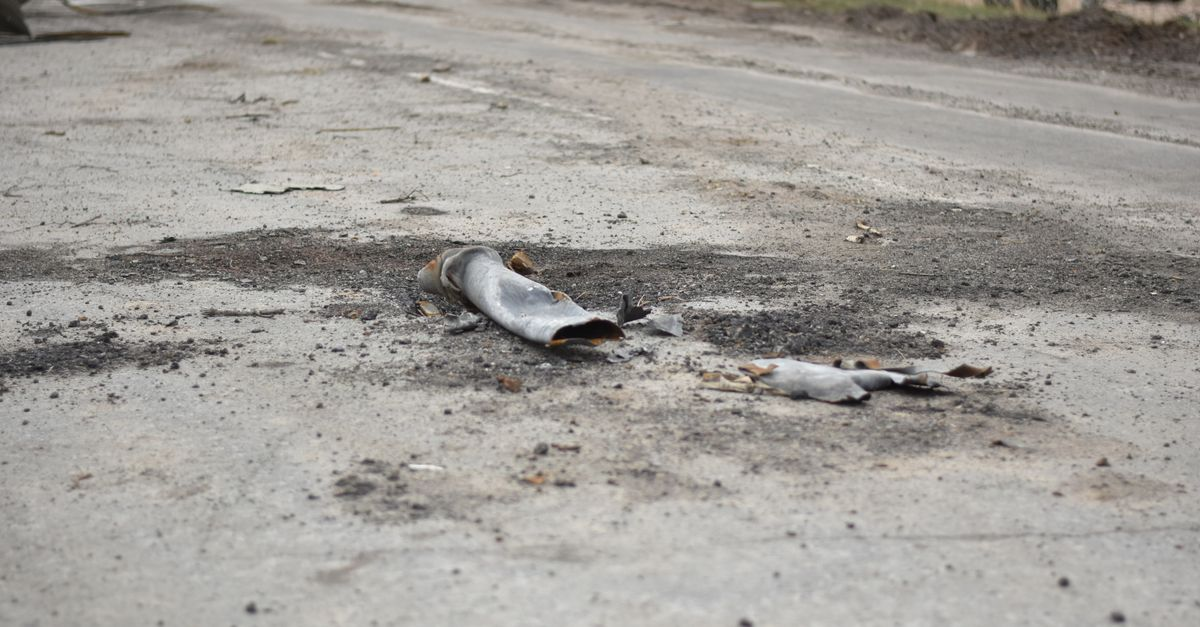
The retaliatory strikes, according to Reuters, targeted sites across the Gulf following recent US military action. The scale and speed of Iran’s response surprised analysts tracking the region. Both American and Iranian forces were reported surveying the damage from the intense overnight bombardment.
This marks the most serious escalation in Iran-US hostilities since earlier efforts to de-escalate through diplomatic channels showed signs of progress. The cycle of tit-for-tat strikes threatens to unravel any fragile understanding between Washington and Tehran.
Iran-US tensions escalate amid retaliatory cycle
The Iranian strikes came without extensive warning. Multiple missiles and drones crossed into neighbouring territories. The assault appeared calibrated—aggressive enough to constitute a response, yet potentially measured to avoid triggering an immediate counter-response.
US officials are now assessing the full extent of damage. Preliminary reports suggest some strikes hit military installations. Civilian infrastructure was not immediately reported as targeted, though the scale of the overnight attack meant numerous impacts across multiple locations.
Iran’s Revolutionary Guard Corps claimed responsibility for the strikes. They framed the action as proportional retaliation for what they termed US aggression. The statement suggested Tehran viewed its response as complete, though military analysts cautioned that such declarations often precede further escalation.
The missiles deployed included types with significant range capabilities. This technical detail matters: it shows Iran can reach targets well beyond its immediate borders. For Gulf states hosting US military assets, the implication is sobering.
Why the US strikes provoked this response
The Iranian retaliation didn’t emerge from vacuum. According to BBC reporting, the strikes followed recent US military operations. Details remain limited, but the sequence suggests tit-for-tat dynamics typical of the Iran-US relationship over the past two decades.
Each side frames its actions as defensive. The US positions strikes as necessary to counter Iranian regional ambitions. Iran characterises its attacks as justified responses to American intervention. This narrative loop has repeated many times since 2015, when the nuclear deal offered a brief window of reduced hostilities.
The timing is significant. This escalation occurs against a backdrop of regional fragmentation. The Israeli-Palestinian conflict remains unresolved. Yemen’s civil war continues dragging on. Syria remains unstable. Into this fractured landscape, Iran-US tensions now inject fresh uncertainty.
Regional allies caught in crossfire
Gulf states are now bracing for possible further escalation. Saudi Arabia, the UAE, and others have hosted American military infrastructure for decades. That positioning made them potential targets in Iran’s retaliatory strikes.
For India, which maintains complex relationships across the Gulf, the escalation poses specific challenges. Indian nationals work throughout the region. Indian companies have investments in Gulf energy and trade. Any major conflict disrupts these ties. Crude oil prices, sensitive to Middle East instability, matter directly to Indian consumers and industry.
The drone and missile attacks also raise questions about air defence systems. Gulf states rely on US-supplied systems to detect and intercept incoming threats. The fact that Iran’s strikes reached their targets suggests either the defence systems failed to intercept everything, or Iran deployed tactics that overwhelmed detection capabilities.
Damage assessment underway
Military teams from both sides were on the ground assessing impact. Initial reports indicated multiple impact sites. The exact nature of damage—whether strikes hit intended targets or went wide—remains unclear pending formal investigations.
Neither side has released detailed casualty figures. Initial reports suggested the strikes aimed at military installations rather than civilian areas. But the volume of ordnance deployed meant widespread disruption regardless of precision.
The overnight bombardment involved sustained launches over several hours. This duration meant air defence systems faced continuous strain. It also meant each side had time to monitor the other’s actions in near-real-time, adding pressure for decision-makers to respond quickly.
What happens next
The critical question now centres on whether this retaliation cycle continues. US officials face pressure to respond to Iranian strikes. But an immediate counter-strike risks spiralling into full-scale conflict. The calculation on both sides involves weighing military capability against political cost.
Diplomatic channels remain theoretically open. Previous cycles of Iran-US escalation have occasionally paused when back-channel communications conveyed intent to de-escalate. Whether such channels are active now remains unknown.
The broader context matters too. International oil markets will likely react to escalation fears. Shipping through the Strait of Hormuz—through which roughly one-third of global maritime oil trade passes—faces heightened risk if tensions worsen. Insurance costs for vessels transiting the region typically spike during escalation periods.
European powers have called for restraint. So have UN officials. But their leverage over both Washington and Tehran remains limited. Neither power has historically responded to international pressure when viewing core interests as threatened.
FAQ
Q: Why did Iran launch missiles and drones against Gulf targets?
According to available reports, Iran’s strikes were in direct retaliation for recent US airstrikes. Tehran characterised the action as a proportional response to what it termed American military aggression in the region.
Q: Could this escalation trigger a larger conflict?
The risk exists. However, both sides have historically shown willingness to pause after demonstrating capability. The fact that both US and Iranian forces are currently surveying damage suggests neither side has immediately escalated further, though that calculus could shift.
Q: How does this affect oil prices and global markets?
Any escalation in the Persian Gulf raises concerns about disruption to crude oil supplies and shipping. This typically drives oil prices upward. Global markets sensitive to energy costs—including India’s—monitor Iran-US tensions closely for this reason.
Q: Are civilian areas being targeted?
Initial reports suggest the strikes focused on military installations rather than civilian infrastructure. However, the scale of overnight attacks means widespread disruption regardless of targeting precision.
Q: Will diplomatic efforts resume?
Diplomatic channels theoretically remain available. Previous escalation cycles have occasionally de-escalated through back-channel communications. Whether such efforts are currently active is unclear from public reporting.
