
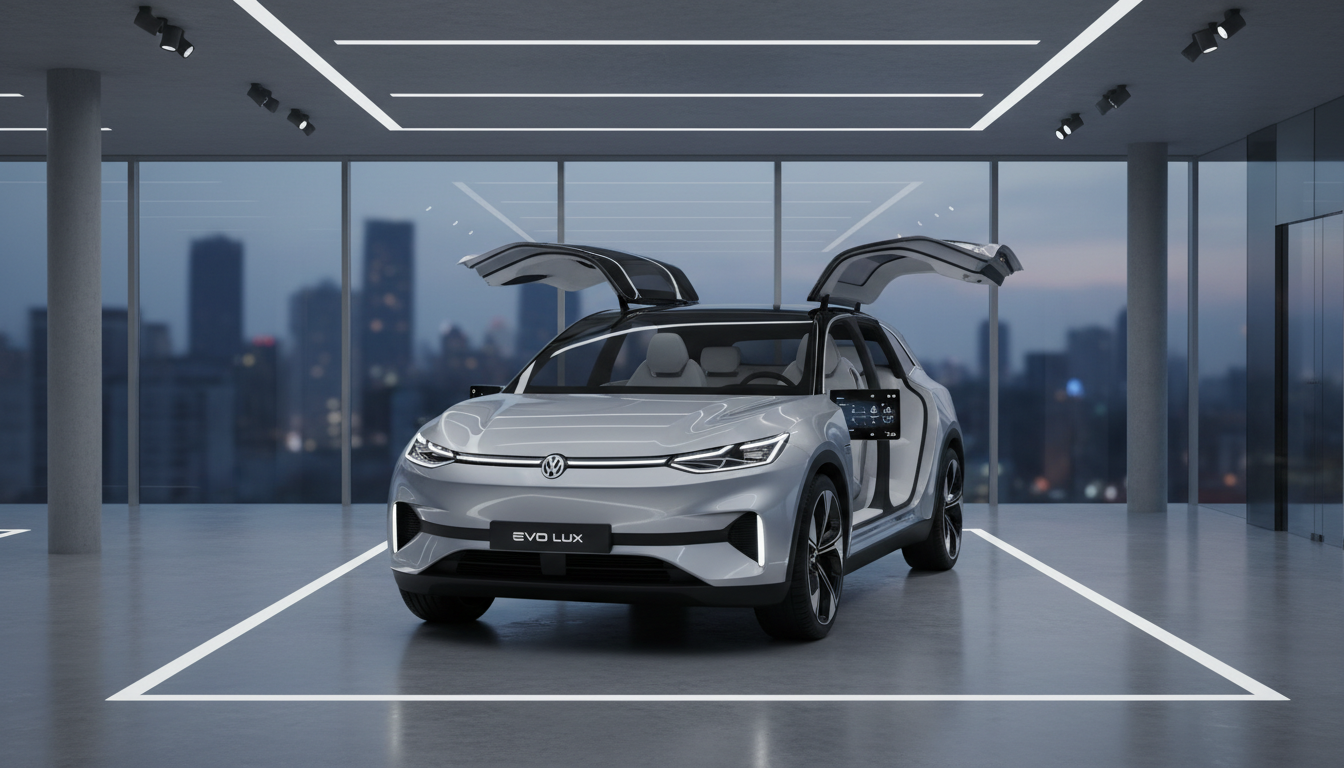
Genesis has launched its first full-size flagship electric SUV in South Korea. The Genesis GV90 electric SUV marks the brand’s entry into the premium battery-powered segment with some genuinely unusual design choices and charging capabilities that rival the best in class.
Built on Hyundai’s eMP electric vehicle platform, the GV90 arrives with a 123.5 kWh battery pack. The standard version delivers up to 500 km of driving range. The Neolun variant manages 460 km.
What makes the Genesis GV90 electric SUV stand out
The headline feature isn’t just the range. Genesis has fitted a roof airbag—an industry-first safety measure. The pillarless coach doors are also new territory for this class of vehicle.
The front seats rotate a full 180 degrees. This is useful when the vehicle is parked. Passengers can face each other or exit more easily onto pavements.
Charging speed is where the GV90 really competes hard. A 350 kW fast charger takes the battery from 10% to 80% in 22 minutes. For a full-size luxury SUV, this is genuinely competitive with offerings from Tesla and Lucid.
Fast charging and practical range
The 500 km range on the standard model puts it in territory that makes weekend trips feasible without constant anxiety about finding chargers. The 460 km on the Neolun is still respectable for a luxury SUV.
Twenty-two minutes of charging to 80% capacity means a driver can grab a coffee or meal during a motorway stop. This matters more than manufacturers sometimes admit. Range anxiety is real, but charging anxiety—wondering if you’ll be stuck waiting—is worse.
The 123.5 kWh battery is substantial. It’s roughly the size of what you’d find in a Tesla Model X. Genesis has packed it into a full-size SUV body, which is no small engineering feat.
Design choices and the pillarless doors
The pillarless coach doors are the design story here. They open outward without a structural pillar between the front and rear doors. This gives the cabin an unusually open feel.
On paper, it looks like a gimmick. In practice, it matters for loading and passenger comfort. Getting a child into a car seat or hoisting groceries into the boot becomes less awkward.
The roof airbag is less visible but arguably more important. It deploys in a side-impact collision, protecting occupants’ heads. Most SUVs don’t have this. It’s a safety feature that distinguishes the Genesis from typical luxury competitors.
The 180-degree rotating front seats sound theatrical, but they serve a purpose. In parked mode, they let passengers face the rear window. For a family on a long drive, this could reduce boredom for kids.
The eMP platform advantage
Genesis didn’t build the GV90 from scratch. The eMP platform underpins several Hyundai and Kia electric vehicles. This shared architecture keeps development costs down and manufacturing consistent.
The platform allows for flexible battery configurations. The 123.5 kWh is the main offering, but future variants could offer different capacities if demand calls for it.
eMP vehicles have started reaching markets globally. The technology is proven. Genesis’s first use of it in a full-size luxury SUV is a strategic move, not a risky experiment.
Market context for India and Asia
For Indian readers, the GV90’s launch matters because it signals how global luxury brands are accelerating electrification. Hyundai already sells electric models in India—the Kona Electric and the upcoming Ioniq 5. The GV90 won’t arrive in India immediately, but it sets the direction.
The 500 km range is especially relevant. Indian roads can demand long stretches between service stations. Charging infrastructure is still developing, so any EV promising this kind of range has an advantage in the consideration set.
The fast-charging capability is equally important. India’s power infrastructure varies by state. A car that can charge quickly when adequate grid capacity exists maximises usability across different regions.
Genesis itself is new to India. The brand launched here only in 2021. Bringing an electric SUV flagship to the market would mark a significant investment in the Indian luxury segment, currently dominated by BMW, Mercedes-Benz, and Audi.
Specifications at a glance
- Platform: eMP electric vehicle platform
- Battery capacity: 123.5 kWh
- Range (standard): 500 km
- Range (Neolun): 460 km
- Fast charging (10%–80%): 22 minutes at 350 kW
- Key features: Roof airbag, pillarless coach doors, 180-degree rotating front seats
The GV90 launches in South Korea first. Regional availability elsewhere hasn’t been announced.
FAQ
What is the Genesis GV90 electric SUV’s driving range?
The standard version offers up to 500 km. The Neolun variant delivers 460 km. Both figures are on the eMP platform with a 123.5 kWh battery.
How long does it take to charge the GV90?
From 10% to 80%, a 350 kW fast charger requires 22 minutes. This is competitive with premium electric SUVs from other manufacturers.
What are the pillarless coach doors?
These are doors without a structural B-pillar between the front and rear. They open outward fully, making cabin access easier and creating a more open interior feel.
Does the Genesis GV90 have safety features competitors don’t?
Yes. It features an industry-first roof airbag for side-impact protection. The roof airbag is a notable safety distinction.
Where is the Genesis GV90 available?
It launched in South Korea. No other markets have been confirmed yet.
