
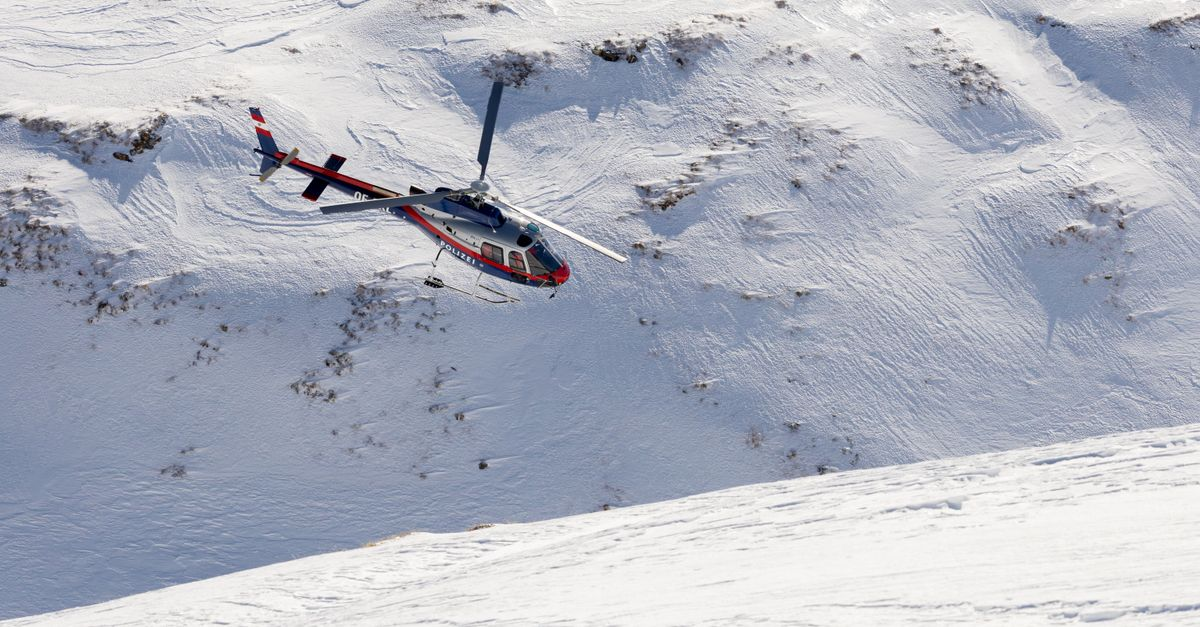
A Joshimath helicopter crash has claimed six lives, including a Delhi-based pilot and five pilgrims from Karnataka, after the aircraft encountered severe weather while flying from Badrinath to Dehradun.
The twin-engine helicopter operated by Trans Bharat Aviation went down near Joshimath on the route between Badrinath and Sahastradhara helipad in Dehradun. All occupants perished in the accident. The Directorate General of Civil Aviation (DGCA) has since grounded the operator’s entire fleet while investigators examine the wreckage.
The crash occurred during adverse weather marked by heavy rain and potential snowfall across the region. Joshimath and surrounding areas in Uttarakhand’s Chamoli district frequently experience unpredictable conditions during the monsoon and pre-winter months, making helicopter operations inherently risky.
Weather suspected as cause in Joshimath helicopter crash
The Aircraft Accident Investigation Bureau (AAIB) and DGCA have launched a joint inquiry into the incident. Preliminary assessments point to weather conditions as the likely cause, though investigators are also examining mechanical and operational factors.
The Badrinath to Dehradun route traverses challenging terrain at altitude. The helicopter would have passed over the Nanda Devi range and through valleys prone to sudden weather changes. Visibility deterioration combined with wind shear could have forced the aircraft lower, increasing collision risk with mountainous terrain.
Officials said rain and possible snowfall created hazardous flying conditions. The pilot, based in Delhi, was experienced. Yet even seasoned aviators face limits when confronted with sudden weather deterioration in high-altitude mountain passes.
Investigation underway as DGCA grounds Trans Bharat Aviation
The DGCA team has been deployed to Dehradun to conduct a regulatory assessment of the operator. The grounding is a precautionary measure pending the investigation’s findings.
Trans Bharat Aviation operates charter and scheduled helicopter services across northern India. The company’s entire fleet will remain grounded until authorities determine whether operational, maintenance, or systemic issues contributed to the crash.
The Aircraft Accident Investigation Bureau will examine the flight data recorder and cockpit voice recorder, if recoverable. Investigators will also review maintenance records, pilot qualifications, weather briefings, and flight planning procedures used by the operator.
Helicopter accidents in the Indian Himalayas have occurred periodically despite safety protocols. The challenging terrain, unpredictable weather, and limited emergency landing options create inherent operational risks that no amount of regulation fully eliminates.
Pilgrims from Karnataka among the deceased
The five pilgrims killed were traveling to or from Badrinath, one of Hinduism’s holiest pilgrimage sites. Situated at 10,279 feet above sea level, Badrinath attracts thousands of devotees annually, particularly between May and November before winter snows block access.
Many pilgrims rely on helicopter services to avoid arduous trekking or lengthy road journeys. The Badrinath to Dehradun helicopter route operates regularly during the pilgrimage season, offering a faster alternative to the winding mountain roads.
The five Karnataka residents had booked passage on Trans Bharat Aviation’s scheduled service. The crash has raised questions about safety protocols for pilgrimage flights and whether weather thresholds for operations are sufficiently stringent.
Badrinath to Dehradun route and aviation operations
The helicopter was en route to Sahastradhara helipad in Dehradun, which serves as a major transit hub for pilgrims heading to or returning from Badrinath. The journey typically takes 45 minutes to an hour under normal weather conditions.
Sahastradhara, located on the outskirts of Dehradun city, is a natural helipad site managed by the Uttarakhand government. Multiple operators conduct regular flights on this route during the pilgrimage season.
The crash marks a significant incident for helicopter operations in Uttarakhand, a state heavily dependent on air transport to connect remote pilgrimage sites and hill stations. The region has seen expansion in helicopter services over the past decade, catering to growing pilgrimage demand and tourism.
DGCA and AAIB investigation focus areas
The investigation will likely examine several critical factors. Flight plan filing procedures come under scrutiny—whether the pilot received adequate weather briefing and whether flight conditions warranted operation that day.
Maintenance records will be reviewed to confirm the helicopter’s airworthiness certificate was current and all required servicing had been completed. Pilot logs will verify rest hours and flight experience on the specific aircraft type.
Weather data from Badrinath, Joshimath, and Dehradun will be cross-referenced against the flight’s actual route and timing. Radar data, if available, will be analyzed to determine the aircraft’s final position and descent profile.
The investigation typically takes several months. Once concluded, the AAIB will issue recommendations aimed at preventing similar accidents in the future.
FAQ
Q: What is the confirmed death toll from the Joshimath helicopter crash?
A: Six people died—the pilot and five pilgrims. The pilot was based in Delhi. The five passengers were from Karnataka and were traveling on a pilgrimage to Badrinath.
Q: Which airline operated the helicopter that crashed?
A: Trans Bharat Aviation operated the helicopter. The DGCA has grounded the company’s entire fleet pending investigation.
Q: What route was the helicopter flying when it crashed?
A: The aircraft was en route from Badrinath to Sahastradhara helipad in Dehradun when it crashed near Joshimath in Uttarakhand’s Chamoli district.
Q: What is believed to have caused the crash?
A: Adverse weather conditions, including heavy rain and possible snowfall, are the suspected cause. The Aircraft Accident Investigation Bureau and DGCA are investigating to confirm the exact cause.
Q: When did the crash occur?
A: The crash occurred in late October 2026, during the pilgrimage season when weather in the Himalayas becomes increasingly unpredictable.
