
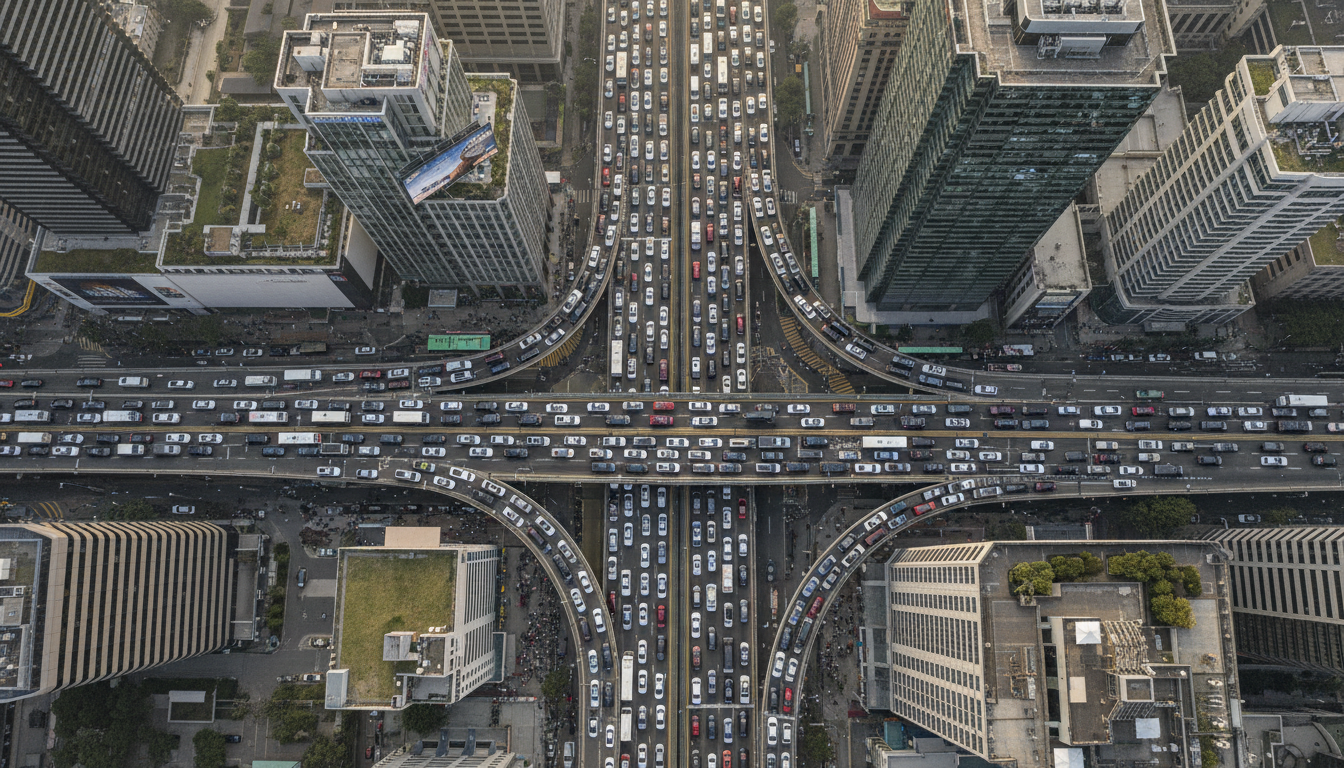
Dehradun traffic master plan has been ordered by District Magistrate Dr. Ashish Chauhan, marking an official push to address chronic congestion that has plagued the city for years. The directive calls for a comprehensive strategy covering everything from junction redesigns to parking solutions and dedicated routes for vehicles heading toward hill stations.
The move comes as Dehradun struggles with daily traffic snarls, particularly during peak hours and tourist season. The congestion has become a recurring headache for commuters, delivery services, and the city’s growing commercial sector. Rather than patchwork fixes, the administration has decided to tackle the problem systematically.
What the Dehradun Traffic Master Plan Includes
The scope of the plan is broad. It will examine road connectivity across the city, identify bottlenecks at key junctions, and propose lasting improvements. Parking remains a major issue—vehicles line roadsides throughout the day, narrowing lanes and creating informal obstacles. The master plan will review existing proposed parking sites for their practical utility and whether they can actually function as intended.
One of the more ambitious elements involves studying the feasibility of diverting vehicles bound for Mussoorie and other tourist destinations away from the city center. Currently, these vehicles funnel through congested inner-city routes. A bypass or external corridor could keep through-traffic off main roads, freeing up capacity for local movement.
According to Uttarakhand Morning Post, the District Magistrate has tasked officials with creating this multi-faceted traffic master plan.
Why Mussoorie Routes Matter for Dehradun Traffic Master Plan
Mussoorie is Dehradun’s primary tourist draw. Thousands of vehicles head toward the hill station daily, especially on weekends and holidays. These vehicles clog central roads as they navigate through the city to reach the uphill routes. A dedicated bypass would be transformative—it would move heavy through-traffic onto outer roads, leaving inner lanes for residents and essential services.
The feasibility study is crucial here. Building entirely new routes requires land acquisition, environmental clearance, and significant investment. The plan will determine whether such routes are practical given terrain, existing infrastructure, and financial constraints.
Parking and Road Connectivity Solutions
Dehradun’s parking crisis is not unique to Indian cities, but it’s acute here. The master plan will take a hard look at proposed parking sites. Some may be poorly located or designed. Others might work better if repurposed or expanded. The exercise is to match supply to actual demand—figuring out where people park and where they actually need to park.
Road connectivity improvements are equally important. Some junctions become bottlenecks simply because they’re poorly designed. Widening lanes, adding turn lanes, or reworking traffic signals can increase capacity without requiring new land.
The administration recognizes that a master plan must address all these elements together. Solving parking alone won’t help if roads remain choked. Improving junctions alone won’t reduce congestion if vehicles have nowhere to park when they reach their destination.
Timeline and Implementation
The master plan is in its directive stage. Officials have been ordered to prepare it, but no timeline has been publicly announced. Creating such a plan typically involves site surveys, traffic studies, engineering assessments, and consultation with various departments. The process could take several months.
Once complete, the plan will still require approvals from various authorities—municipal bodies, the state government, potentially environmental agencies. Implementation will depend on funding availability and political will.
Why This Matters for Dehradun’s Future
The city is growing. More residents, more vehicles, more commercial activity. Without intervention, congestion will worsen. A traffic master plan is preventive planning—an attempt to manage growth rather than react to crisis after crisis.
For businesses, better traffic flow means faster deliveries and easier customer access. For residents, it means shorter commutes and less air pollution from idling vehicles. For tourists, it reduces frustration and improves the visitor experience to Mussoorie and nearby attractions.
The plan also signals that Dehradun’s administration is thinking beyond quick fixes. Traffic problems don’t solve themselves. They require strategy, investment, and coordination.
FAQ
Q: When will the Dehradun traffic master plan be completed?
A: No official completion date has been announced. The District Magistrate has ordered its creation, but the timeline depends on how quickly officials can conduct surveys, studies, and design assessments. Typically, such plans take several months to prepare.
Q: Will there be a bypass for Mussoorie traffic?
A: The plan includes studying the feasibility of diverting vehicles heading to Mussoorie and other tourist spots to routes outside the city center. Whether an actual bypass is built will depend on the study’s findings and available resources.
Q: How will the master plan improve parking in Dehradun?
A: The plan will review existing proposed parking sites to assess their utility and viability. This means evaluating whether current proposals are in the right locations and whether they’re designed to actually function. New parking solutions may be proposed based on where demand actually exists.
Q: Who is implementing the Dehradun traffic master plan?
A: District Magistrate Dr. Ashish Chauhan has directed officials to create the plan. Implementation will likely involve municipal authorities, road development agencies, and other relevant departments once the plan is finalized and approved.
Q: Will the traffic master plan affect tourist access to Mussoorie?
A: The goal is to improve flow, not restrict access. By creating dedicated routes for tourist traffic outside the city center, the plan aims to make travel to Mussoorie smoother while reducing congestion for city residents.
