
A Dehradun triple murder has shocked residents of the hill city as an elderly couple and their domestic help were found brutally killed in what police allege was a dispute over Rs 300 in unpaid plumbing charges.
Ramesh Kapoor, 80, and his wife Rajni Kapoor, 75, were discovered dead alongside their domestic help Tilya Devi in their home in Vishnulok Colony. The killings occurred just days before Diwali, when families typically prepare their homes and settle outstanding dues with service workers.
Police arrested plumber Rajkumar in connection with the murders. According to reports on the incident, the alleged motive was a payment dispute of just Rs 300 for plumbing work completed at the residence.
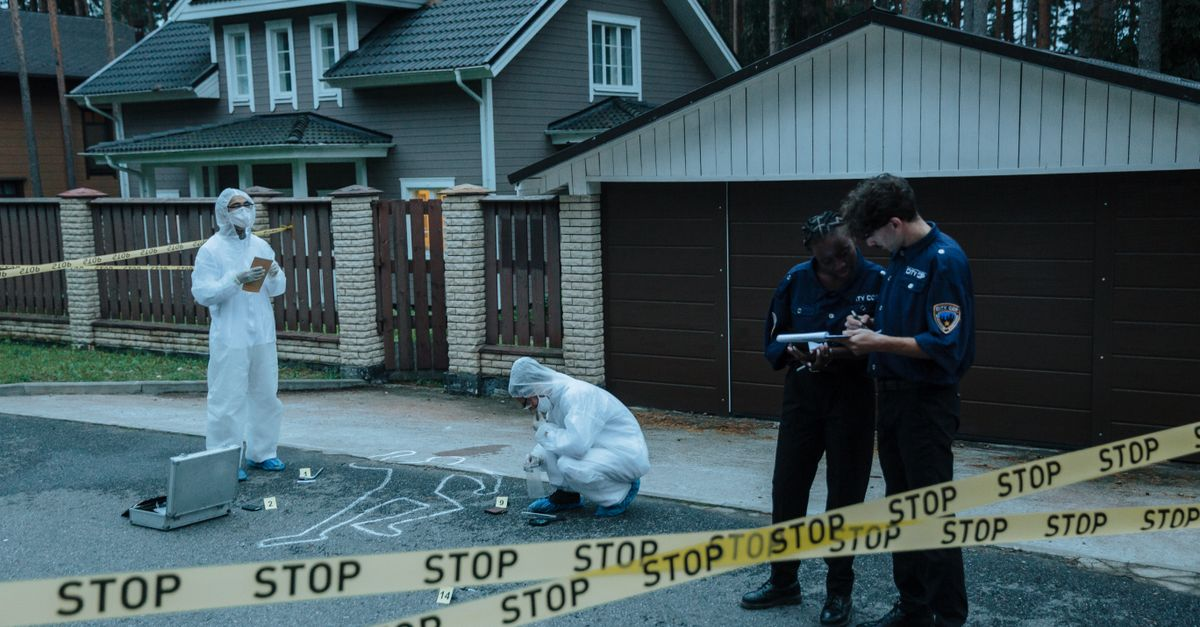
The Dehradun Triple Murder Scene
Post-mortem reports revealed the brutality of the attack. Each victim sustained over 30 wounds. The injuries were consistent with repeated blows from a sharp object. Excessive blood loss was noted as a contributing factor to their deaths.
The triple murder has raised questions about safety in residential colonies across Dehradun. Vishnulok Colony, a middle-class neighbourhood, is now associated with one of the year’s most violent crimes.
The timing is particularly grim. The elderly couple had likely been preparing for Diwali festivities. Service workers across India settle their annual accounts with employers ahead of the festival. A minor dispute over Rs 300—roughly the price of a meal for two at a restaurant—escalated into tragedy.
How the Crime Unfolded
Details remain sparse at this stage. Police have not disclosed exactly when the murders occurred or how long the bodies remained undiscovered. Neighbours may have noticed unusual silence from the home, but response times in residential areas often mean critical hours are lost.
Rajkumar’s arrest marks a significant development. Police allege he acted over the payment dispute. The severity of the attack—over 30 wounds per victim—suggests rage or a complete loss of control during the confrontation.
Domestic help workers occupy a vulnerable position in Indian homes. They work in private spaces. Their presence is often overlooked by neighbours. Documentation of their employment is rarely formal. When disputes arise, the power imbalance is stark.
Tilya Devi’s inclusion among the victims underscores this vulnerability. She was present in the home, likely during her regular working hours. Whether she intervened or simply became a witness who could not be left alive remains unclear from available reports.
Safety Concerns in Dehradun Residential Areas
The Dehradun triple murder is not the first violent crime in the city’s residential colonies. However, the killing of an elderly couple over a trivial sum has alarmed many.
Dehradun’s population has grown rapidly. Migration from plains and neighbouring states has reshaped the city’s demographics. Not all residents maintain close ties with neighbours. CCTV coverage remains patchy in older colonies like Vishnulok.
Police patrols in such areas are typically reactive rather than preventive. By the time officers arrive, crimes of this nature have already concluded.
Residents have begun asking difficult questions. Should they be more cautious about whom they hire? Should payment disputes be settled immediately rather than deferred? Should domestic help workers be formally registered with local authorities?
The Broader Context of Payment Disputes
Payment disputes between employers and service workers are common across India. Most are resolved through negotiation or small claims disputes. Escalation to violence remains rare, but not unprecedented.
Plumbers, electricians, and construction workers operate with thin profit margins. A Rs 300 loss may represent several hours of work. From the worker’s perspective, the dispute might feel significant.
From the employer’s perspective, Rs 300 is trivial. An elderly couple of modest means might have disputed the charge out of habit rather than genuine hardship.
Neither justification explains or excuses the alleged murders. Yet the economic motive underscores how precarious income-earning is for workers in Dehradun’s informal economy.
The Diwali Context
The timing before Diwali carries weight in Indian culture and society. The festival marks a time for new beginnings, settling debts, and family gatherings. It is also when tensions over unsettled accounts reach their peak.
Domestic staff often work extra hours before major festivals. They clean, prepare, and help with shopping. Disputes over bonuses, holiday payments, or outstanding dues frequently surface during this period.
An elderly couple preparing to celebrate Diwali with family likely spent their final days in routine. They hired a plumber. Work was completed. A payment disagreement arose. Within hours or days, all three lay dead.
FAQ
Q: Who were the victims in the Dehradun triple murder?
A: Ramesh Kapoor (80), his wife Rajni Kapoor (75), and their domestic help Tilya Devi were found murdered in Vishnulok Colony, Dehradun.
Q: What was the motive for the triple murder?
A: Police allege the motive was a dispute over Rs 300 owed for plumbing work. The arrested suspect, Rajkumar, was the plumber who performed the work.
Q: How were the victims killed?
A: Post-mortem reports indicated each victim sustained over 30 wounds, consistent with repeated attacks using a sharp object. Excessive blood loss was a contributing factor to death.
Q: Who has been arrested?
A: A plumber named Rajkumar has been arrested in connection with the three murders.
Q: Where did the Dehradun triple murder occur?
A: The killings took place in the victims’ home in Vishnulok Colony, a residential area in Dehradun.
