
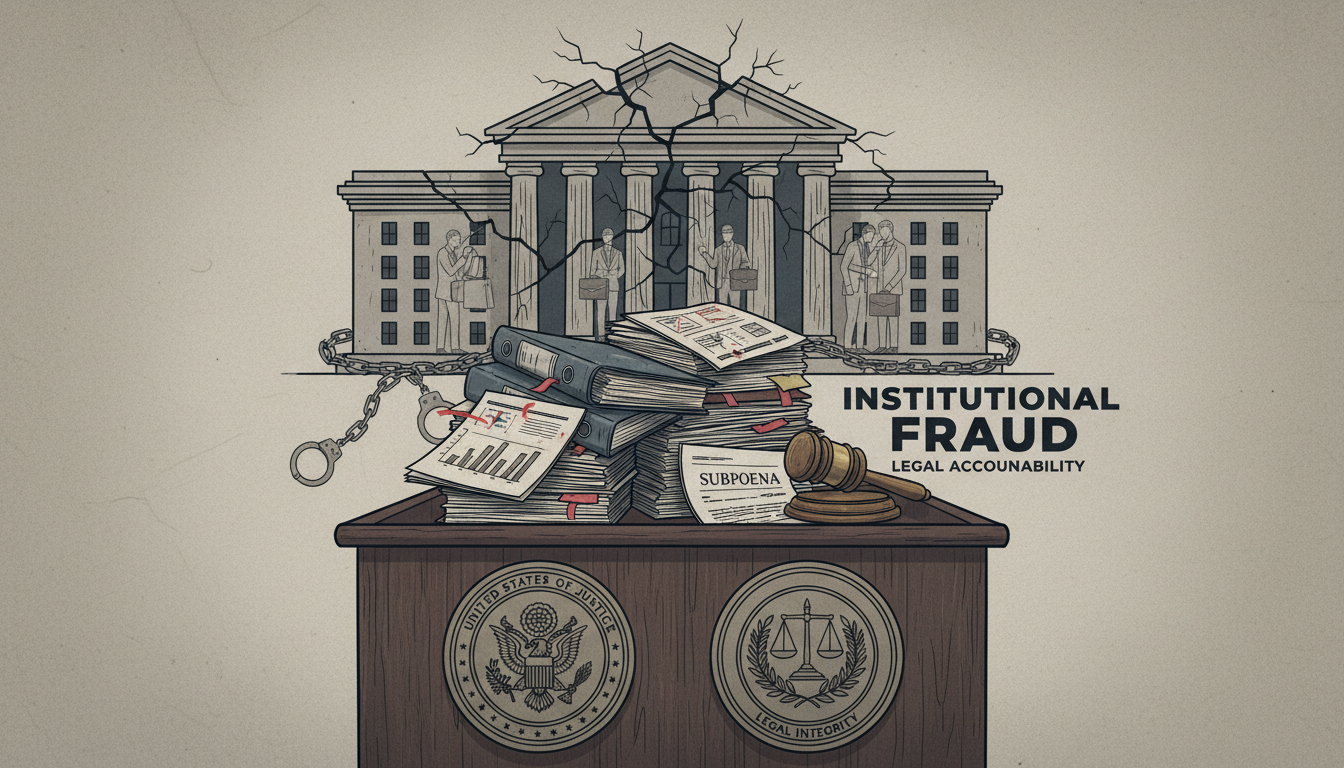
MBBS admissions fraud has triggered a major crackdown in Uttarakhand, with authorities cancelling four medical degree seats after students used forged freedom fighter dependent certificates to secure places. The action has exposed systemic weaknesses in how quota and domicile-related documents are issued and verified in the state.
HNB Medical Education University took the step to cancel the admissions following an investigation that found the certificates suspicious. According to reports on the case, an inquiry committee flagged that the addresses listed on the documents could not be verified.
The Fraud Uncovered
Police have registered FIRs against five individuals in connection with the scam. Four are students whose admissions were cancelled. The fifth person is a relative, suggesting involvement in procuring the forged papers.
The certificates claimed the students qualified for reserved seats under the freedom fighter dependent category. This quota exists to provide educational opportunities to descendants of India’s independence struggle. Using false documentation to claim this benefit is both a fraud on the selection process and an insult to those genuinely eligible.
An inquiry committee’s findings were damning. They determined the certificates were not authentic. They also found the addresses provided in the documents led nowhere—they could not be traced or verified on the ground.
The cancellations mean these four students lose their MBBS seats entirely. They will not be admitted to medical college, at least not through this admission cycle. The consequences are severe. Four years of medical education, and the degree itself, have been pulled away.
Scrutiny Over Certificate Issuance
The case has opened a wider investigation into how domicile and quota-related certificates are issued across Uttarakhand. Officials now face uncomfortable questions about the checks and balances in place when these documents are created.
How did forged certificates pass initial scrutiny during admissions counselling? Who signed off on the documents? Where did they come from? These are not rhetorical questions anymore—they are being asked inside government offices and universities.
The freedom fighter dependent quota is one of several reserved categories in medical admissions. Others include SC, ST, OBC, and state domicile provisions. Each relies on documentary proof that students must submit at the time of applying and counselling.
For domicile certificates, officials are supposed to verify addresses and residency claims. For freedom fighter dependent status, the verification chain is even more sensitive—it involves cross-checking names against official freedom fighter registers and verifying family lineage.
The fact that false documents made it through suggests verification was either perfunctory or absent. Either way, it is a breach of process that allowed fraud to succeed.
Questions About Systemic Weakness
Universities and district authorities issue these certificates. In Uttarakhand, the number of applicants seeking quota certificates has grown. So has the administrative load on the offices responsible for issuing them.
Understaffing is a common complaint in Indian government departments. Verification duties often fall to clerks and junior staff without proper training. Corruption is another risk—some certificate issuers have been known to accept bribes to issue false documents.
Whether negligence, understaffing, or corruption played a role in this case is not yet clear. The FIRs will likely probe all three angles.
Impact on Genuine Candidates
While four fraudsters lose their seats, the real losers may be genuine candidates who qualified for medical college but were pushed down the list because these four occupied reserved positions they were not entitled to.
Medical college seats are precious and limited. Uttarakhand has only a handful of government and private medical colleges. Each MBBS seat is hotly contested. When someone takes a seat through fraud, they are directly displacing someone else who earned it fairly.
This is why the cancellations, while welcome, come too late for the admission cycle. The damage to merit-based selection was already done when these four enrolled.
Broader Implications for Quota System
The scandal raises a difficult question: How robust is India’s quota system against fraud? Reserved category seats exist to correct historical inequities and provide opportunity to marginalized groups. The system only works if the people claiming the benefit are genuinely eligible.
Forged certificates undermine the legitimacy of the entire quota mechanism. They give ammunition to critics who argue quotas are abused. They also dilute the genuine achievements of candidates who secured admission through reserved categories fairly.
Uttarakhand authorities will need to tighten verification processes. This may mean:
- Requiring physical verification of addresses before certificates are issued
- Cross-checking freedom fighter genealogies with official registers in real time
- Training certificate-issuing staff on fraud detection
- Imposing penalties on officials who approve false documents
What Happens Next
The five individuals face criminal charges under various sections of the Indian Penal Code. The students’ cases will likely proceed through lower courts. Their relatives may face charges related to document forgery and abetment.
At the university level, HNB has already acted decisively by cancelling admissions. Whether it will also launch an internal audit of past admissions to check for similar fraud is unclear.
The case is a reminder that fraud in competitive medical admissions is not rare. Across India, periodic busts reveal fake certificates for caste, domicile, and other reserved categories. What is rare is when universities cancel admissions based on findings.
Dehradun-based HNB University’s action suggests a willingness to clean house, even when it means taking high-profile action against enrolled students.
FAQ
Q: Can the four students appeal the cancellation of their MBBS admissions?
A: Yes, they can file appeals in court challenging the university’s decision. However, given the inquiry committee’s findings that the certificates were forged and addresses unverifiable, legal challenges face an uphill battle. Appeals would need to produce evidence that the certificates were genuine, which is unlikely given the FIRs already filed.
Q: What happens to the four MBBS seats now that admissions are cancelled?
A: The seats will likely be offered to the next eligible candidates on the waiting list. This could happen through a supplementary counselling round or by offering seats to candidates who were ranked just below the cut-off. The exact process depends on HNB University’s admission regulations.
Q: Is forging a freedom fighter dependent certificate a criminal offence?
A: Yes. Document forgery, providing false certificates, and using fraudulent documents to gain admission are all criminal acts. They fall under multiple sections of the Indian Penal Code, including forgery (Section 468), using forged documents (Section 471), and criminal conspiracy if multiple people were involved (Section 120-B).
Q: How do authorities verify freedom fighter dependent status?
A: Applicants must provide certificates issued by state authorities, usually the district administration or freedom fighter welfare department. These departments cross-check against official registers of freedom fighters and verify family lineage. In this case, the inquiry committee found these checks failed to catch the forgery.
Q: Will this case affect other admissions at HNB University?
A: Possibly. The university may launch a broader audit of MBBS admissions from recent years to check for similar fraud. If other forged certificates are found, more admissions could be cancelled. This would be unprecedented but not impossible, given the seriousness with which the university is treating the current case.
