
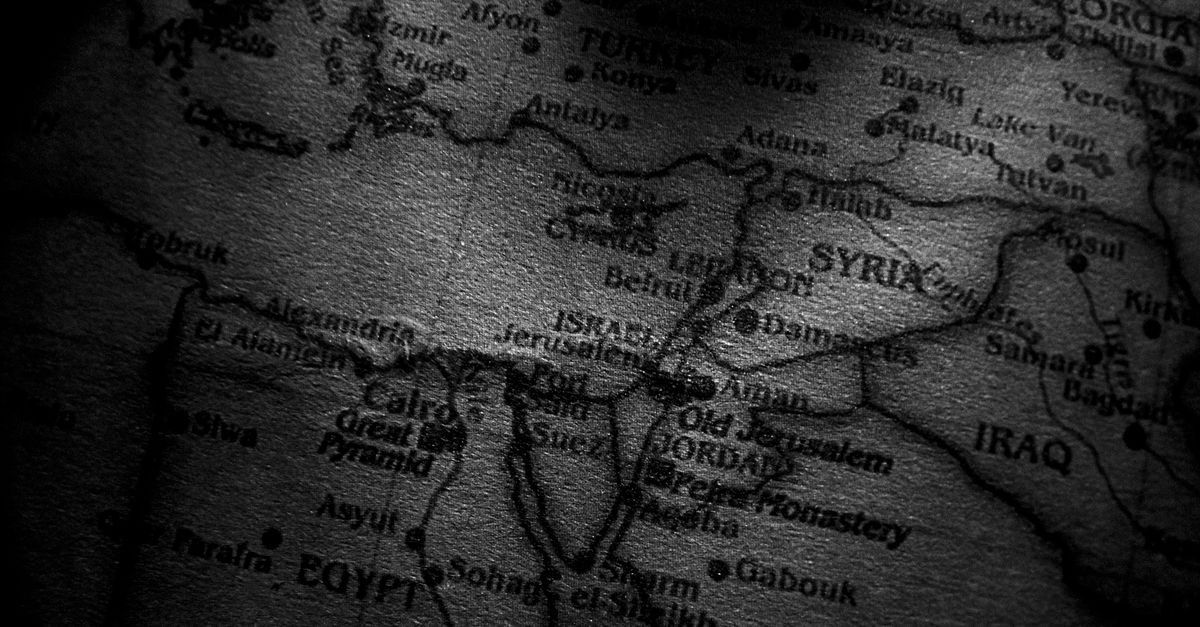
Yemen conflict escalation has reached a critical point, with Iran-backed Houthi forces making significant territorial gains and launching attacks that have alarmed Western powers and triggered a sharp reversal in US strategy. Rather than bolster Saudi Arabia’s military response, Washington has instead chosen diplomatic engagement—even direct talks with the Houthis themselves in Oman—marking a stark departure from previous American posturing in the region.
The shift reflects deepening uncertainty about US commitments to regional allies, even as the Yemen conflict threatens global energy supplies and raises the spectre of a wider conflagration across the Middle East.
Houthi advances and the Mecca threat
Saudi Arabia has accused the Houthis of orchestrating an attempted drone attack on Mecca, Islam’s holiest city. The allegation underscores how far the conflict has escalated beyond Yemen’s borders. The Houthis, backed by Tehran, have turned their focus northward and seaward with increasing sophistication, targeting critical infrastructure across the kingdom and beyond.
These advances have closed a crucial oil pipeline, disrupting energy flows that matter not just to the Gulf but to global markets. Tanker routes through the region have become increasingly perilous. Oil prices have already risen on fears that further Houthi action could strangle supplies even more severely. For countries like India, which imports significant quantities of Middle Eastern crude, the economic implications are direct and urgent.
According to Reuters, the Houthi blitz has left Saudi Arabia exposed and emboldened Iran at a moment when regional tensions were already running high.
The US decision against military intervention
The American choice not to intervene militarily surprised observers. Saudi Arabia remains a cornerstone ally, the anchor of US strategy in the Gulf, and a major purchaser of American weapons. Yet the Trump administration decided that direct military support for the Saudi response was not in the national interest—at least not now.
US officials have instead opted for back-channel diplomacy. The decision to meet with Houthi representatives in Oman signals a pragmatic, if uncomfortable, calculation: that military escalation could spiral beyond anyone’s control. De-escalation through dialogue, the thinking goes, serves American interests better than being drawn into another regional conflict.
This reasoning will unsettle Riyadh. Saudi officials have long relied on American military backing as a counterweight to Iranian influence. The pivot toward talks with the very actors threatening Saudi security represents a recalibration that some Gulf allies may interpret as abandonment.
Energy security and global ripples
The closure of the oil pipeline has immediate economic consequences. Global crude prices have climbed in response to supply disruption fears. Refineries across Asia, Africa, and Europe now face uncertainty about flows that have been relatively stable for decades.
For India, already grappling with inflation and currency pressures, higher oil import costs bite directly into the fiscal position. Power generation costs rise. Petrochemical feedstock becomes more expensive. The knock-on effects ripple through manufacturing and transport sectors.
According to NBC News, Saudi Arabia has accused Iran-backed Houthis of attempting to attack Mecca, raising fears that energy infrastructure could become an even more frequent target.
Regional conflict fears
What worries analysts most is the trajectory. Houthi advances suggest a group that is no longer simply defending its territory but actively projecting power. Each successful strike boosts morale and recruitment. Each American refusal to support Saudi retaliation sends a signal—whether intended or not—that the US may not be willing to enforce the old security architecture.
Iran watches closely. The Houthis are one of several proxy forces Tehran has cultivated across Iraq, Syria, Lebanon, and Palestine. A perceived American withdrawal from the Yemen theatre could embolden Iranian calculations elsewhere.
The risk of a wider regional conflict is real but not inevitable. De-escalation remains possible if talks in Oman yield results. Yet the window for diplomacy may be narrowing. Saudi Arabia faces domestic pressure to respond forcefully. The Houthis, emboldened by their advances, may demand concessions that Riyadh cannot accept.
What’s next
US officials have been characteristically opaque about the Oman talks. No breakthrough announcements have been made. The silence itself suggests the discussions are in early stages or deadlocked.
Saudi Arabia, meanwhile, continues to bolster its own defences. Whether Riyadh will respect the American preference for restraint remains unclear. A unilateral Saudi military escalation could drag the US into involvement anyway, regardless of Washington’s stated position.
The Yemen conflict escalation also underscores a broader American challenge: managing alliances during periods of strategic reorientation. The Middle East is not central to current US strategic priorities in the way it once was. China and the Indo-Pacific loom larger. Yet the region’s energy importance and security complexities mean the US cannot simply walk away.
FAQ
Q: Why hasn’t the US intervened militarily in Yemen?
The Trump administration decided military intervention did not serve American national interests. Instead, US officials have pursued diplomatic talks with Houthi leaders in Oman to de-escalate tensions.
Q: How does the Houthi advance threaten global energy supplies?
The Houthis have closed a crucial oil pipeline and targeted shipping routes through the region. This disrupts oil flows to global markets and raises prices due to fears of further supply disruption.
Q: What does Iran’s connection to the Houthis mean for the conflict?
Iran backs the Houthis militarily and strategically. Houthi advances strengthen Tehran’s regional influence and could embolden other Iranian proxy forces across the Middle East.
Q: How will higher oil prices from Yemen conflict affect India?
India imports significant crude oil from the Middle East. Rising prices increase India’s import costs, fuel inflation, and raise electricity and petrochemical production expenses across the economy.
Q: Could the Yemen conflict trigger a wider regional war?
The risk exists if Saudi Arabia responds forcefully or if the US is drawn in. However, ongoing diplomatic talks offer a path toward de-escalation, though success is far from assured.
