
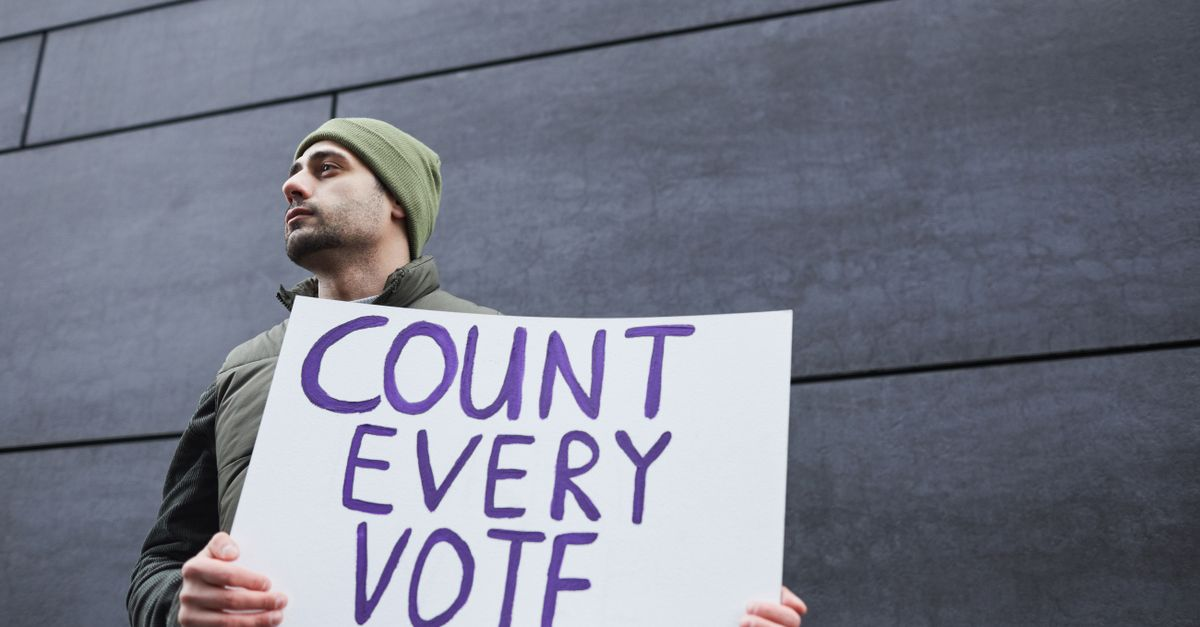
The Supreme Court is examining challenges to the Election Commission’s voter roll purge, a Special Intensive Revision exercise that has sparked nationwide protests and mass detentions of activists. The Court has issued notices on petitions filed against the scheme, which has resulted in the deletion of millions of voters from electoral rolls across India.
The move comes as opposition to the purge intensifies. Activists have organised Tiranga Marches to protest the deletions, with several leaders facing detention during the demonstrations. Opposition figures, including Congress leader Rahul Gandhi, have demanded transparency and launched legal challenges against the Election Commission’s actions.
What is the Special Intensive Revision exercise?
The SIR is the Election Commission of India’s programme to audit and revise electoral rolls. Ostensibly designed to remove duplicate entries and update voter information, the exercise has resulted in a sharp rise in voter deletions across multiple states. The scale of removals has alarmed opposition parties and civil society groups, who argue that legitimate voters—particularly from marginalised communities—are being wrongly struck off.
Election commissions conduct voter roll revisions periodically. This particular revision, however, has drawn criticism for the speed and scope of deletions. No comparable purge exercise has been documented in recent electoral history in India.
Supreme Court scrutiny over detention orders
A critical issue before the Supreme Court concerns prohibitory orders that preceded mass detentions during related demonstrations. The Court is seeking clarification on the legal grounds for these orders and the arrest of protest organisers. Detentions of activists have raised questions about the right to peaceful assembly and dissent.
The prohibitory orders were issued in several districts where protests were planned or underway. Police cited public order concerns. Activists and their legal representatives have challenged the proportionality of these measures, arguing they were deployed to suppress legitimate criticism of the voter roll exercise.
Opposition demands answers
Rahul Gandhi and other India Bloc leaders have called for a halt to the voter roll purge pending judicial review. According to reports, they have challenged the Election Commission’s methodology and demanded transparency in the deletion process.
The Congress and allied parties have raised concerns about voter disenfranchisement. They argue that the purge disproportionately affects voters from socially and economically disadvantaged sections. No independent audit of the deletions has been made public by the Election Commission.
Tiranga Marches and organised resistance
Activists have organised a series of protests under the banner of Tiranga Marches to oppose the voter roll purge. These demonstrations have drawn participation from civil society, student groups, and opposition workers. The marches have been held across multiple states to highlight the scale of the deletions.
The detention of protest leaders has further galvanised the movement. Police have cited violations of prohibitory orders, though activists contend the orders themselves were unconstitutional.
Election Commission’s position
The Election Commission has maintained that the SIR exercise is routine and necessary to keep electoral rolls accurate. The body has not publicly disclosed the exact number of deletions or provided state-by-state breakdowns in the detail sought by critics.
The Commission argues that removing duplicate and ineligible entries strengthens electoral integrity. It has not responded directly to allegations that genuine voters are being wrongly deleted, nor has it outlined an appeal or verification mechanism for affected citizens.
Timeline of events
The purge exercise commenced several months ago and accelerated in recent weeks. Reports of mass deletions began circulating in late September. Organised protests began in early October. By mid-October, detentions of protest organisers had escalated, prompting legal interventions by opposition parties and civil rights groups.
The Supreme Court’s issuance of notices on the petitions signals that India’s apex court views the matter as worthy of urgent examination. A full hearing has not yet been scheduled.
Concerns over voter disenfranchisement
Election experts and opposition politicians have raised the spectre of voter disenfranchisement on an unprecedented scale. If millions of legitimate voters are removed before the next general or state elections, the electoral process could be compromised. Voters struck off incorrectly face a bureaucratic process to restore their names—one that many may not be aware of or able to navigate.
Civil society organisations have called for the Election Commission to publish a detailed methodology and allow independent verification. They have also urged the government to ensure that affected voters are notified and given a formal right to appeal.
Legal questions at stake
Several constitutional principles are at play in the Supreme Court’s examination. The right to vote, enshrined in the Constitution, is a foundational democratic right. Whether the election commission’s exercise respects procedural safeguards and natural justice—including the right to be heard—is central to the petitions.
The detention of protesters raises additional questions under Articles 19 and 21 of the Constitution, which protect freedom of speech and personal liberty. The proportionality of prohibitory orders is also under judicial scrutiny.
FAQ
Q: How many voters have been deleted from rolls under the Special Intensive Revision?
A: The exact number has not been publicly disclosed by the Election Commission. Reports cite millions of deletions across multiple states, but a comprehensive figure remains unavailable.
Q: Can deleted voters restore their names to the electoral roll?
A: An appeal mechanism exists, but many voters may be unaware they have been deleted until they attempt to vote. The restoration process is reportedly lengthy and requires applicants to navigate bureaucratic procedures.
Q: Why are activists being detained during protests against the voter roll purge?
A: Police have cited violations of prohibitory orders issued in protest areas. The Supreme Court is now examining whether these orders were legally justified and whether detentions were proportionate.
Q: What is the Election Commission’s justification for the purge?
A: The Election Commission states the SIR exercise removes duplicate entries and ineligible voters to maintain electoral roll accuracy. It has not disclosed a detailed methodology or independent verification process.
Q: When will the Supreme Court rule on the petitions?
A: The Court has issued notices but has not yet scheduled a full hearing. The timeline for judgment remains unclear.
The Supreme Court’s intervention suggests that questions around the voter roll purge will not be resolved administratively. The Court’s examination of both the deletion process and the detention of protesters indicates a willingness to scrutinise the exercise on multiple fronts.
