
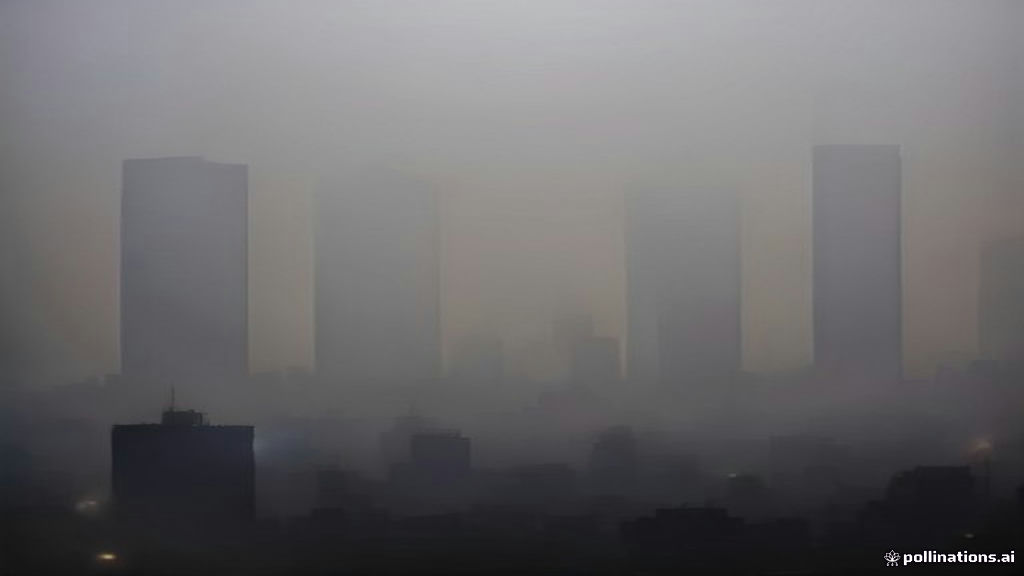
Delhi’s air pollution crisis persists even as the capital shows marginal improvement from earlier this week. The Delhi air pollution AQI currently stands at 294, placing the city firmly in the “poor” category according to air quality monitoring data.
While 294 marks a slight decline from the previous day’s “very poor” reading, it underscores how entrenched the pollution problem has become. Several neighbourhoods across Delhi slipped into “severe” territory in the hours immediately after Diwali celebrations, a familiar seasonal pattern that has plagued the national capital for years.
The Supreme Court has already weighed in, urging citizens to take direct action. Yet the data suggests that institutional calls for responsibility have not yet translated into measurable improvements in air quality. The gap between judicial intervention and on-ground results remains stark.
Understanding the Current Delhi Air Pollution Crisis
An AQI of 294 falls into a bracket where residents begin to experience visible health effects. The “poor” category typically triggers respiratory discomfort, particularly among children, the elderly, and those with pre-existing lung conditions. Schools have already issued advisories. Construction activity has faced restrictions in some zones.
The post-Diwali spike is no longer a surprise to Delhi residents. Year after year, firecracker emissions combine with vehicular pollution, industrial discharge, and stubble burning in neighbouring states to create a perfect storm of poor air quality. This year’s timeline follows the same trajectory.
What distinguishes this season’s pollution episode is the growing judicial scrutiny. The Supreme Court’s recent directives signal that courts are no longer content with administrative negligence on the issue. Yet the AQI figures suggest that exhortations alone are insufficient.
## Delhi Air Pollution AQI and the Seasonal Pattern
The ‘poor’ AQI reading reflects conditions that Delhiites have come to expect between October and January. Meteorological factors play a role: cooler nights trap pollutants closer to the ground. Wind speeds drop, allowing particles to accumulate rather than disperse.
But human activity amplifies these natural conditions dramatically. Firecrackers during Diwali inject a massive volume of particulate matter into the air over just a few days. The aftermath lingers for weeks as the city struggles to clear itself.
Multiple areas breached the “severe” threshold immediately after the festival, according to current pollution reports. Severe pollution means that even brief outdoor exposure becomes inadvisable for vulnerable groups.
The marginal improvement to “poor” from “very poor” suggests some dispersal of pollutants. Weather patterns may have shifted slightly. Yet calling this progress overstates the case. Delhi remains in a state of poor air quality, a condition that demands urgent intervention rather than relief.
Supreme Court Intervention and Citizens’ Responsibility
The apex court has made it clear that responsibility extends beyond government machinery to individual citizens. This framing reflects mounting frustration with the slow pace of concrete change despite years of litigation and orders.
Judges have repeatedly pointed out that pollution is a collective problem requiring collective action. No single administrative order can prevent people from bursting crackers or eliminate stubble burning across state borders overnight.
Yet the court’s emphasis on citizen action also raises questions about the adequacy of regulatory measures. If the state’s institutional response were sufficient, would courts need to appeal to individual conscience? The judicial intervention suggests that existing policies and enforcement mechanisms remain inadequate.
The AQI figures validate this concern. Despite prior Supreme Court orders, despite government bans on firecrackers in many regions, despite construction curbs, Delhi’s air remains hazardous to breathe.
Health and Public Impact
An AQI of 294 is not a number to ignore. At this level, prolonged outdoor exertion is inadvisable for most people. Schools implement indoor recess policies. Parents restrict children’s outdoor play. Office workers commuting during rush hour face unavoidable exposure.
Hospitals typically report a spike in respiratory complaints during periods of poor air quality. Emergency departments see increased visits for asthma exacerbations, bronchitis, and other pollution-linked conditions. The economic cost—in lost productivity, medical expenses, and reduced quality of life—accumulates silently.
For Delhi’s migrant workers, domestic help, and street vendors, poor air quality is an occupational hazard they cannot avoid. Unlike office workers who retreat to air-conditioned spaces, these groups must remain outdoors regardless of AQI readings.
What Comes Next
The marginal improvement from “very poor” to “poor” suggests some relief is possible. Wind patterns and meteorological conditions can shift. But without sustained action on the sources of pollution, Delhi’s air will remain compromised through the winter months.
Stubble burning in Punjab and Haryana continues to be a significant contributor, one that demands interstate coordination rather than Delhi-centric solutions. Vehicle emissions, construction dust, and industrial pollution require stricter enforcement and technological upgrades.
The Supreme Court has placed the onus partly on citizens. Whether that translates into voluntary behavioural change—fewer firecrackers, reduced unnecessary travel, pressure on politicians for stricter enforcement—remains uncertain. According to recent coverage, the political consensus on aggressive anti-pollution action remains fragmented.
FAQ
What does an AQI of 294 mean for Delhi residents?
An AQI of 294 falls in the “poor” category. At this level, members of vulnerable groups—children, elderly people, and those with respiratory or heart conditions—should limit prolonged outdoor exertion. The general population may experience respiratory symptoms.
Why did several areas record ‘severe’ pollution the day after Diwali?
Diwali fireworks inject massive quantities of particulate matter into the air over a short period. Combined with existing vehicular and industrial pollution, cooler temperatures that trap pollutants near the ground, and low wind speeds, this creates severe air quality conditions that can persist for several days.
Has the Supreme Court’s intervention made a difference?
The Supreme Court has issued multiple directives urging cities and citizens to take action against pollution. While these rulings have raised awareness and prompted some administrative measures, the AQI figures indicate that systemic improvement has been limited. The court’s recent emphasis on citizen responsibility suggests frustration with the pace of change.
What is the main source of Delhi’s winter pollution?
Multiple sources contribute. Firecrackers during Diwali, vehicular emissions, construction dust, and industrial discharge are significant. Seasonal stubble burning in neighbouring Punjab and Haryana also adds substantially to pollution levels. Meteorological conditions—cooler temperatures and lower wind speeds—trap these pollutants near the ground.
When will Delhi’s air quality improve?
Improvement depends on weather patterns, reduced firecracker use, stricter enforcement of pollution controls, and management of stubble burning in neighbouring states. Short-term relief may come with wind pattern shifts or rainfall. Sustained improvement requires sustained action from government agencies and behavioural change among citizens.
