
Chief Election Commissioner Gyanesh Kumar faces a voter list controversy that has triggered mass nationwide protests and calls for his resignation from multiple opposition parties. The crisis centres on the Special Intensive Revision (SIR) of voter rolls, with critics alleging the process has been weaponised to manipulate electoral records ahead of elections.
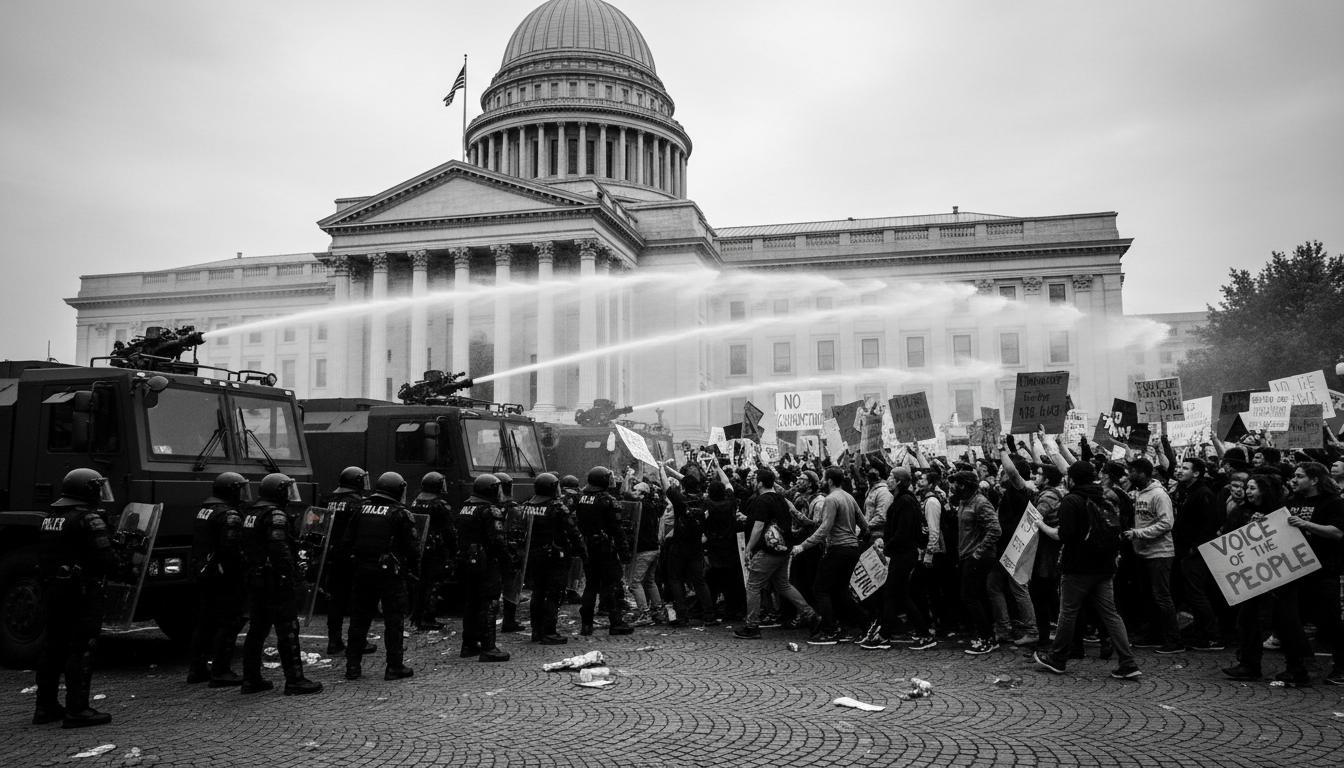
The Congress party launched a nationwide protest drive on September 25, 2026. Demonstrations erupted simultaneously across major cities: Delhi, Jammu, Bihar, Assam, Chandigarh, and Telangana. Police deployed water cannons and tear gas in several locations to disperse crowds. Congress MP Gaurav Gogoi was detained in Guwahati during the unrest, according to reports.
Opposition leaders have gone further than street-level protests. Cockroach Janta Party founder Abhijeet Dipke set a hard deadline: Kumar’s resignation by September 26. Dipke has already announced fresh nationwide protests beginning October 2 from Mumbai unless demands are met.
The voter list controversy explained
The controversy hinges on deletions and additions made to India’s electoral database without standard procedural oversight. According to an Indian Express investigation, two senior Election Commissioners—Sukhbir Singh Sandhu and Vivek Joshi—filed at least 14 objections over a ten-month period. They opposed decisions that Kumar made regarding voter registration, voter deletions, and control of the electoral database.
Critically, these objections were filed without Kumar’s knowledge, suggesting deep institutional discord at India’s top electoral body. The fact that two commissioners felt compelled to formally object signals they viewed the decisions as irregular or problematic. Such internal dissent at the Election Commission is rarely made public and even more rarely becomes a flashpoint for national politics.
Opposition leader Rahul Gandhi has accused Kumar of orchestrating systematic election rigging. He claims Prime Minister Modi and Home Minister Amit Shah directed the scheme. The opposition narrative frames the SIR process as a deliberate instrument to inflate or deflate voter lists in constituencies where such manipulation would benefit the ruling BJP.
The Election Commission has defended the SIR process as lawful and routine administrative procedure. Officials have not directly addressed the 14 objections from fellow commissioners.
Nationwide voter list controversy sparks political crisis
What started as administrative procedure has metastasised into a constitutional question about the integrity of India’s electoral machinery. The voter list controversy now dominates political discourse across states. Congress workers took to streets with placards demanding Kumar’s ouster. They framed the issue as a threat to democratic legitimacy itself.
The Cockroach Janta Party’s intervention adds another dimension. Dipke’s threat of October 2 protests suggests the issue transcends traditional Congress-BJP binary conflict. A second opposition force mobilising around voter list concerns could fragment government support further.
Congress has already signalled intent to file a removal motion in Parliament. Such a motion requires support from enough MPs to force a debate and vote. While success is unlikely given the ruling coalition’s numbers, the motion would force the government to defend Kumar publicly on the floor. It would create a permanent parliamentary record of the controversy.
Police response to protests has been aggressive. Water cannons in Patna and Chandigarh, tear gas in multiple cities, and the detention of a Congress MP underscore how seriously authorities are treating the demonstrations. Yet heavy-handed policing often amplifies rather than suppresses political movements, particularly when opposition parties frame crackdowns as evidence of authoritarian overreach.
Timeline of events and demands
September 25: Congress stages nationwide demonstrations across seven states and union territories. Police use force to disperse crowds.
Same day: Cockroach Janta Party demands Kumar’s resignation by September 26, with threat of October 2 protests from Mumbai.
Same day: Indian Express reveals 14 internal objections filed by fellow commissioners.
September 26: Opposition prepares parliamentary removal motion. Congress accuses Kumar of collaborating with Modi and Shah.
October 2 onwards: CJP plans nationwide agitation if resignation demand not met.
The timeline shows escalation rather than de-escalation. Each day brings new demands, new protests, new revelations. This is precisely the kind of momentum that can topple senior officials when multiple institutional and political forces align.
What happens next
The immediate question is whether the Election Commission conducts an internal inquiry into the 14 objections and what such inquiry might reveal. Will Kumar respond formally to the allegations? Will Sandhu and Joshi make public statements about their concerns?
Second, Parliament will be the arena where this plays out at the national stage. A removal motion, even if defeated, forces a public reckoning with specific allegations. Government MPs will have to defend the voter list process explicitly.
Third, street pressure matters. If Cockroach Janta delivers on October 2 protests and Congress sustains demonstrations, the political cost of defending Kumar rises for the government. Public perception of electoral integrity cannot be dismissed as merely partisan concern.
The Election Commission exists to serve democratic legitimacy. When its chief stands accused of compromising that legitimacy, and when his own colleagues file formal objections, the institution itself suffers reputational damage regardless of eventual outcomes.
FAQ
What is the Special Intensive Revision of voter rolls?
The SIR is an Election Commission process to update and revise electoral databases by adding new voters, deleting deceased or ineligible voters, and correcting records. Opposition parties claim the process under Kumar has been manipulated to alter voter lists in ways that favour the ruling BJP.
Why did two Election Commissioners object 14 times?
According to the Indian Express report, Commissioners Sukhbir Singh Sandhu and Vivek Joshi formally objected to Kumar’s decisions on voter registration, deletions, and database control over ten months. Their objections suggest they viewed these decisions as irregular or lacking proper procedural safeguards.
What do opposition parties want?
Congress and Cockroach Janta Party are demanding Gyanesh Kumar’s resignation as Chief Election Commissioner. Congress has announced a parliamentary removal motion; CJP has threatened nationwide protests from October 2 if the demand is not met by September 26.
What has the Election Commission said in response?
The Election Commission has defended the SIR process as lawful and routine administrative procedure but has not directly addressed the 14 internal objections or specific allegations of voter list manipulation.
How does this affect future elections?
If opposition parties succeed in raising doubt about the integrity of current voter lists, it could cloud the legitimacy of any election conducted under these lists. Courts might face petitions challenging electoral results on grounds of compromised voter databases.
