
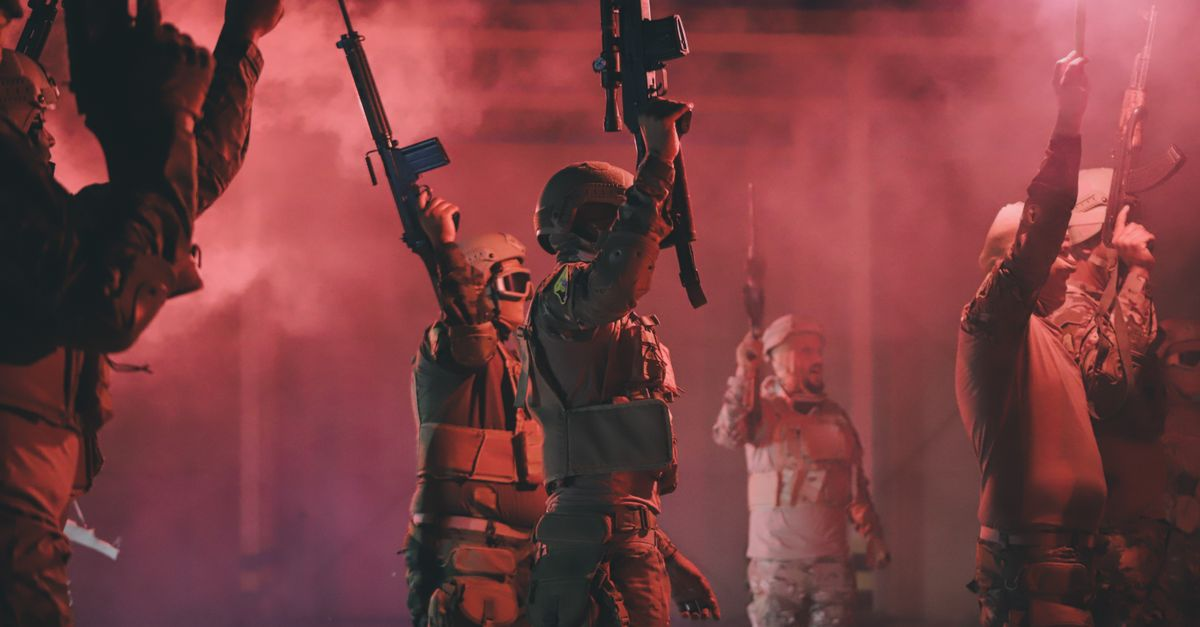
The US military strikes Iran came on election day itself, November 3, 2026, with American forces targeting Qeshm Island and the surrounding Strait of Hormuz region in a defensive operation that underscored simmering tensions between Washington and Tehran—even as President Trump sought to downplay the confrontation.
The strikes were launched in response to Iranian surface-to-air missiles that had targeted US military assets. Iran’s Islamic Revolutionary Guard Corps (IRGC) claimed it had downed two American drones south of Qeshm Island, setting off the chain of events that led to the US response. The timing raised immediate questions about the political ramifications of military action unfolding on the same day American voters headed to polls for the 2026 midterm elections.
US Military Strikes Iran: What Triggered the Response
Iran’s IRGC assertion that it destroyed two US drones marked an escalation in an already tense standoff over aerial operations in the region. The Iranian claim, if accurate, would represent a rare military victory for Tehran against American hardware. Surface-to-air missile activity by Iranian forces has been a recurring flashpoint in recent months, with the US maintaining a significant military presence across the Gulf.
The US response was swift and characterised as defensive in nature. American officials briefed that the strikes targeted Iranian military infrastructure directly involved in the missile launches. The Strait of Hormuz, through which roughly one-fifth of global oil shipments pass annually, remained a critical flashpoint. Any escalation there carries immediate consequences for energy markets worldwide—a concern that resonates particularly sharply in countries like India that depend heavily on Middle Eastern crude imports.
Trump Downplays Tensions Amid Ongoing US Military Strikes Iran
Trump’s framing of the strikes proved notably different from the military’s characterisation. According to AP News, the president described the situation as a “very soft war” and insisted that “we’re not at war with Iran.” His language sought to contain political fallout at a moment when American voters were actively engaged in midterm voting.
Vice President JD Vance took a different rhetorical angle. He told reporters that Washington had made progress in talks with Iran, suggesting diplomatic channels remained open despite the military action. The mixed messaging from the administration reflected a delicate balancing act: project strength to domestic audiences and strategic partners, while signalling willingness to negotiate to Tehran.
Vance’s comments hinted at behind-the-scenes diplomatic efforts that the public had not yet seen fully materialise. If the administration was indeed making headway in negotiations, the timing of the strikes raised questions about whether they represented a setback or a necessary enforcement mechanism within an ongoing diplomatic process.
Regional Dynamics: Netanyahu, Ukraine, and Broader Tensions
The situation grew more complicated when considering statements from Israeli Prime Minister Benjamin Netanyahu. According to Anadolu Agency, Netanyahu reportedly pushed for a wave of new strikes against Iran to follow the US elections. This suggested that coordination between Washington and Jerusalem on Iran policy remained active, with Israeli officials viewing the post-election period as a potential window for broader military action.
Iran’s Foreign Ministry, meanwhile, issued its own threat. The government stated it would reopen the Strait of Hormuz if the US met its demands. The blockade threat—if executed—would have cascading effects on global energy supplies and represented genuine leverage in negotiations.
On another front, US Special Envoy Steve Witkoff announced plans to mediate working-level negotiations between Ukraine and Russia in Abu Dhabi on November 10-11. This separate diplomatic initiative suggested the Trump administration was juggling multiple regional crises simultaneously: Iran in the Persian Gulf, Ukraine’s war with Russia, and Israeli security concerns. The bandwidth required to manage all three issues simultaneously remained unclear.
The Election Day Timing Question
The fact that US military strikes Iran occurred hours before midterm voting prompted immediate scrutiny. Historical precedent shows that foreign military action can influence domestic political outcomes, though the effect remains contested among analysts. Critics might argue that military action on election day appeared designed to project strength. Supporters of the administration might counter that threats to US assets required immediate response regardless of the calendar.
What remained undisputed was the substantive issue: Iran’s surface-to-air missiles had targeted American personnel or equipment, creating genuine security concerns that demanded response. The timing, however controversial, flowed from Iranian actions rather than American strategic calculations alone.
Broader Context for Indian Readers
For India, these developments carry specific weight. India’s energy security depends significantly on stable Gulf politics and open shipping lanes through the Strait of Hormuz. Any serious disruption to the strait—whether through Iranian blockade threats or expanded military conflict—would directly impact Indian crude oil imports and energy prices domestically. India has also maintained diplomatic relations with both Iran and the United States, placing New Delhi in a position where escalation in the Persian Gulf creates policy complications.
Additionally, Indian strategic analysts have long monitored US-Iran dynamics as a barometer for broader Middle East stability. The language Trump used—characterising the situation as a “soft war” rather than open conflict—suggested Washington wanted to avoid full-scale war despite military action. That rhetorical choice mattered for regional actors attempting to calibrate their own responses.
FAQ
Q: Why did the US strike Iranian targets on election day?
A: The strikes were launched in response to Iranian surface-to-air missiles targeting US military assets. The timing coincided with November 3 midterm voting because Iran’s IRGC had claimed it downed two American drones south of Qeshm Island, prompting an immediate US defensive response. The strikes were not scheduled around the election; rather, the Iranian action triggered them on that particular date.
Q: What did Trump say about the US military strikes Iran?
A: Trump characterised the situation as a “very soft war” and stated “we’re not at war with Iran.” His language sought to downplay the severity of the military action, contrasting with how the Pentagon described the strikes as defensive operations responding to Iranian missile activity.
Q: Could Iran really close the Strait of Hormuz?
A: Iran’s Foreign Ministry stated it would reopen the strait if the US met its demands, implying it could restrict passage. While Iran lacks the military capacity to permanently seal the strait against a determined US response, it can disrupt shipping through mines, missiles, and naval action—enough to drive up global oil prices and create significant economic impact.
Q: How does this affect India?
A: India imports substantial crude oil from the Middle East and depends on Strait of Hormuz shipping lanes. Military escalation or Iranian blockade threats directly threaten India’s energy security and could raise domestic fuel costs.
Q: What happens next diplomatically?
A: VP Vance indicated the US had made progress in talks with Iran. Additionally, US Special Envoy Steve Witkoff announced plans to mediate Ukraine-Russia negotiations in Abu Dhabi on November 10-11, suggesting diplomatic efforts continue alongside military posturing.
