
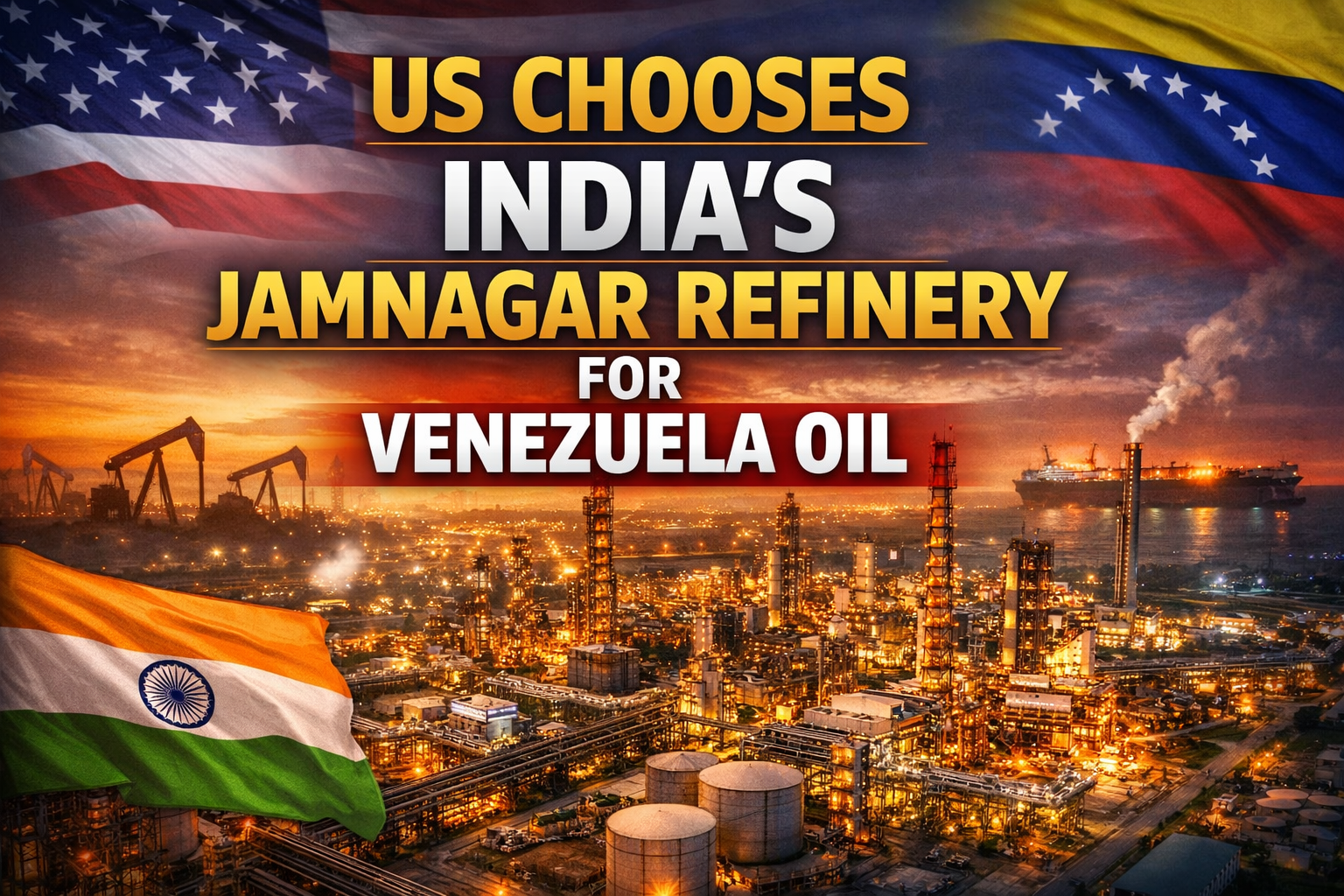

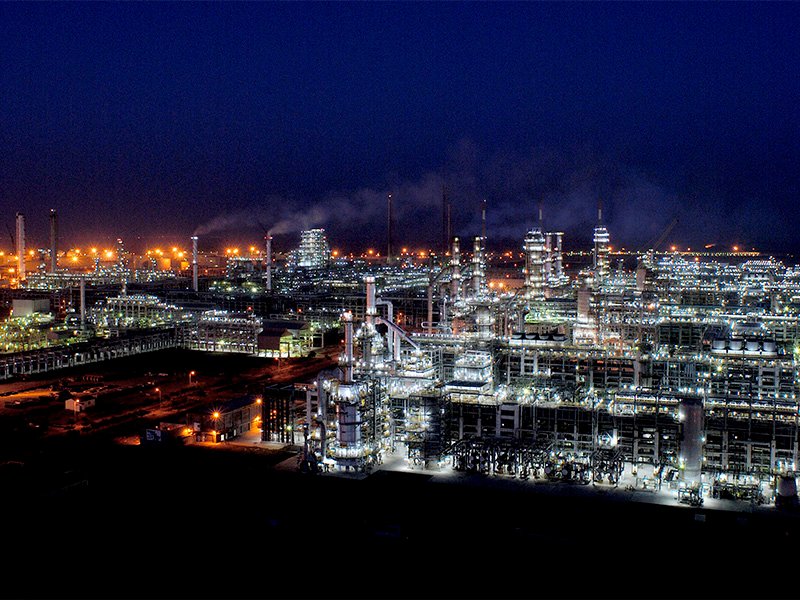


In a significant development in the global energy market, Reliance Industries has gained attention after the United States allowed the company to participate in trade involving Venezuelan crude oil. At the center of this development is the massive Jamnagar Refinery in Gujarat, which plays a crucial role in refining some of the most difficult crude oils in the world.
This move highlights not only India’s growing importance in the global oil supply chain but also the unique technical expertise that Reliance possesses in handling complex crude types.
Why Venezuelan Oil Is Difficult to Refine


Venezuela holds some of the largest oil reserves on Earth, particularly in the Orinoco Belt. However, much of this oil is classified as heavy or extra-heavy crude.
Unlike lighter crude oil, heavy crude is thicker, contains more impurities, and requires advanced refining technology to convert it into usable fuels such as petrol, diesel, and jet fuel.
Many refineries around the world are designed mainly for lighter crude. Processing Venezuelan crude efficiently requires sophisticated refining infrastructure, specialized equipment, and significant technical expertise.
This is where Reliance’s refining capabilities come into play.
Why the United States Is Working With Reliance
The United States has imposed sanctions on Venezuela in recent years due to political tensions. However, global energy markets still require stable supplies of refined fuels.
Instead of directly importing Venezuelan crude, the U.S. and global markets can benefit from companies capable of refining this complex oil. Reliance Industries, which operates the enormous Jamnagar refinery complex, is one of the few companies with the infrastructure to handle such crude efficiently.
Because of this expertise, Reliance received approval to engage in transactions involving Venezuelan oil under specific conditions. The arrangement helps keep global fuel supplies stable while ensuring the crude can be processed effectively.
The Strategic Importance of Jamnagar Refinery
The Jamnagar Refinery in Gujarat is widely recognized as the largest oil refining complex in the world. Its advanced refining configuration allows it to process a wide range of crude types, including extremely heavy oil.
Key features of the refinery include:
- One of the highest refining capacities globally
- Advanced technology for processing heavy and sour crude
- Large-scale export capability for refined fuels
- Integrated petrochemical facilities
Because of these capabilities, Jamnagar acts as a global refining hub, converting crude oil from multiple countries into finished petroleum products that are shipped worldwide.
How This Deal Benefits India
The partnership and permissions related to Venezuelan oil could bring several economic advantages for India.
1. Access to Cheaper Crude Oil
Heavy crude oil is usually sold at a discount compared to lighter crude because fewer refineries can process it. Since Reliance has the technology to refine it, India can import this crude at lower prices.
2. Higher Refining Margins
After refining the crude into fuels like petrol, diesel, and aviation fuel, these products can be sold in global markets at higher prices. This difference between crude cost and refined fuel price increases profits for refiners.
3. Strengthening India’s Role in Global Energy Trade
By refining crude from different regions and exporting finished fuels, India is increasingly becoming a key player in the global energy supply chain.
4. Economic Growth and Export Revenue
Refined petroleum products are among India’s largest export categories. Increased refining activity can boost export earnings and strengthen the country’s energy sector.
India’s Rising Position in the Global Energy Market
The development demonstrates how India’s infrastructure and industrial capabilities are positioning it as an important intermediary in the global oil trade.
Instead of merely importing and consuming oil, India is increasingly acting as a refining and processing hub that converts crude from various sources into finished fuels for international markets.
With companies like Reliance investing heavily in advanced refining technology, India’s energy sector could play an even larger role in global supply chains in the coming years.
Conclusion
The cooperation involving Venezuelan oil and Reliance’s refining expertise highlights the strategic importance of India’s energy infrastructure. By leveraging the massive capacity and advanced technology of the Jamnagar refinery, India stands to gain economically while strengthening its position in global energy markets.
