
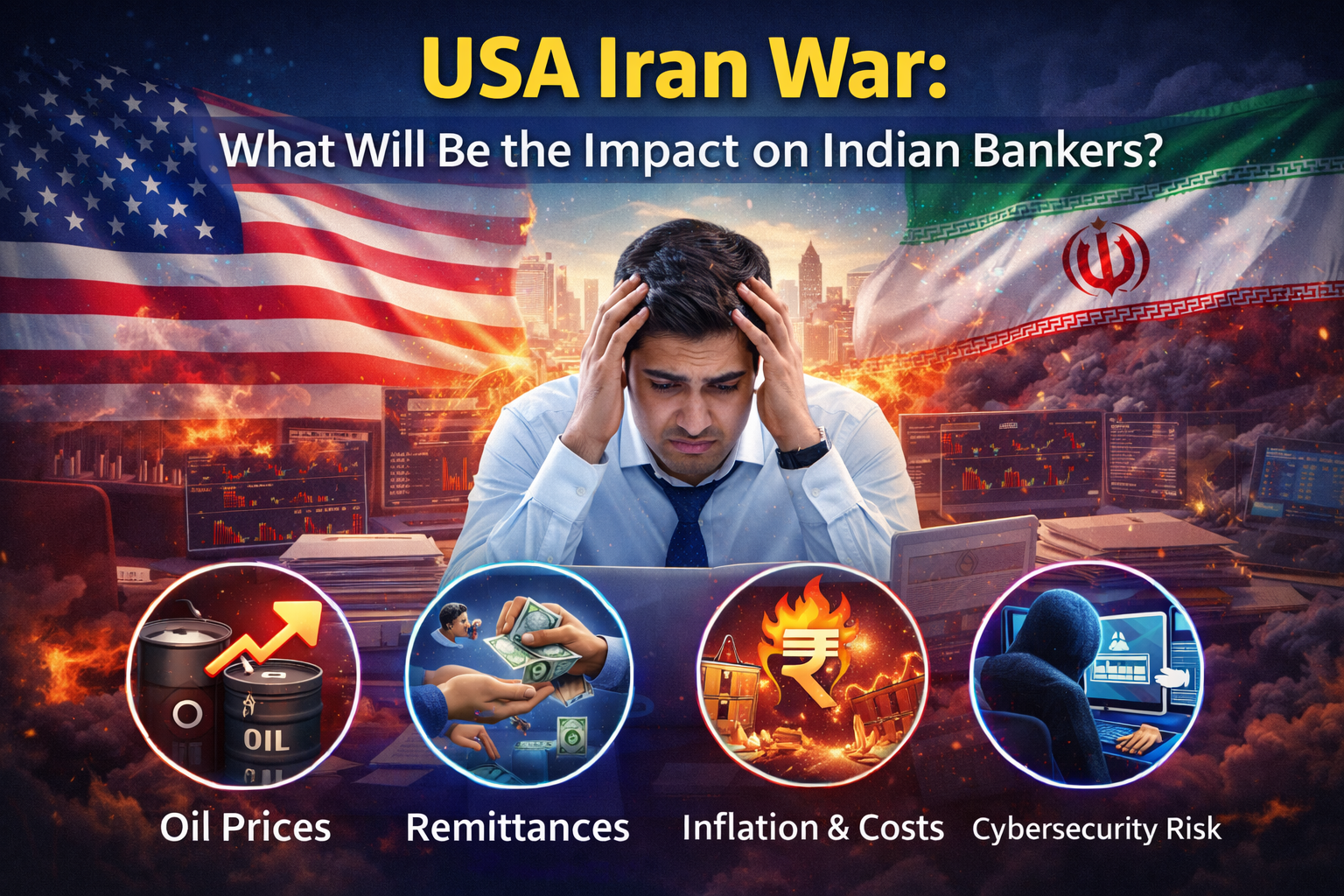
A major conflict between the United States and Iran would not remain limited to geopolitics. It would ripple through oil markets, global trade, currency flows, remittances, cybersecurity and financial regulations. For Indian bankers, the effects would appear both inside the workplace and at home.
This is a complete, practical breakdown of how such a war could affect the professional responsibilities and personal lives of bankers across India.
Why Indian Bankers Should Care About a Distant War?
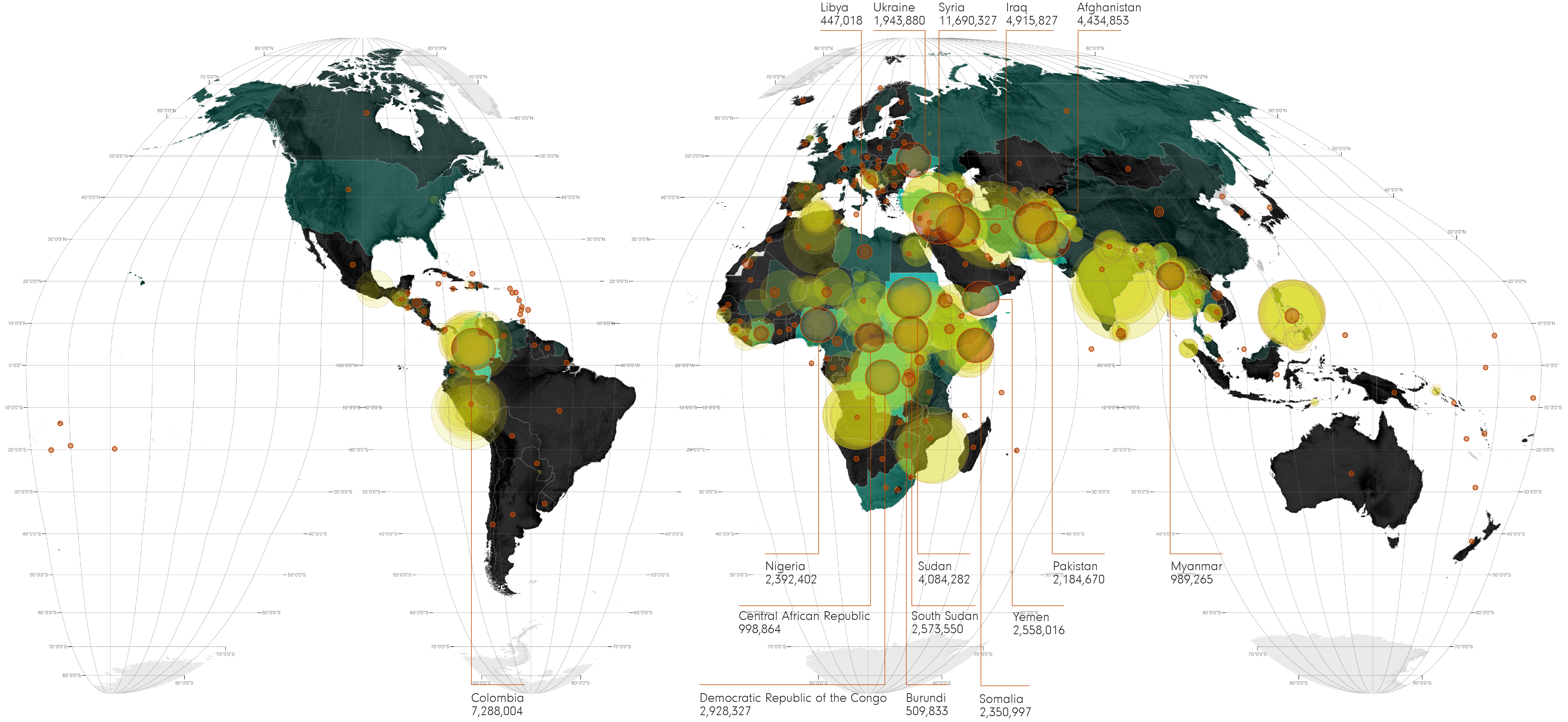



Modern banking is deeply connected to global events. Even if the conflict happens thousands of kilometres away, the chain reaction reaches India through:
Oil prices
Currency movements
Remittances from the Gulf
International trade routes
Global financial markets
Banks sit at the centre of all these systems, which means bankers are among the first professionals to feel the pressure.
PART 1 — PROFESSIONAL IMPACT ON INDIAN BANKERS
1. Oil Price Shock and Inflation Pressure

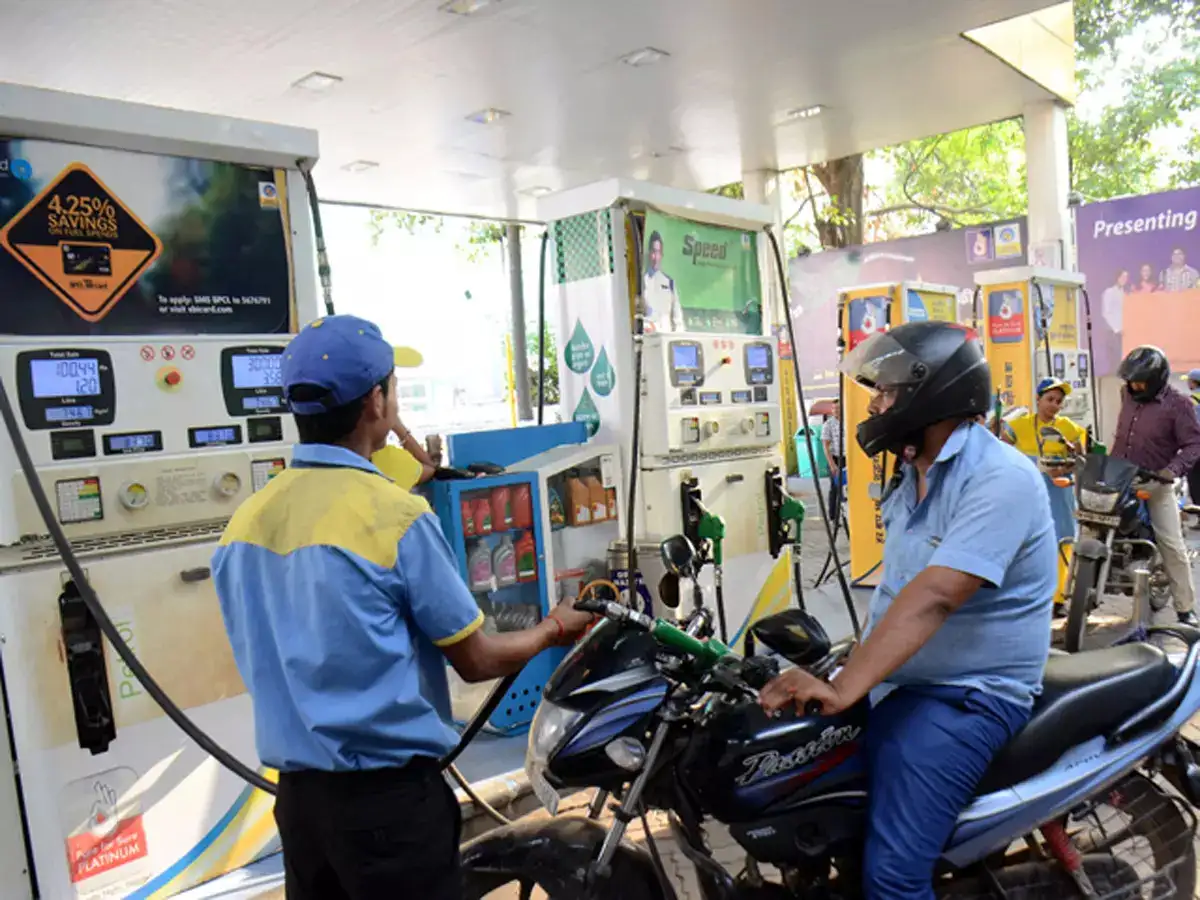

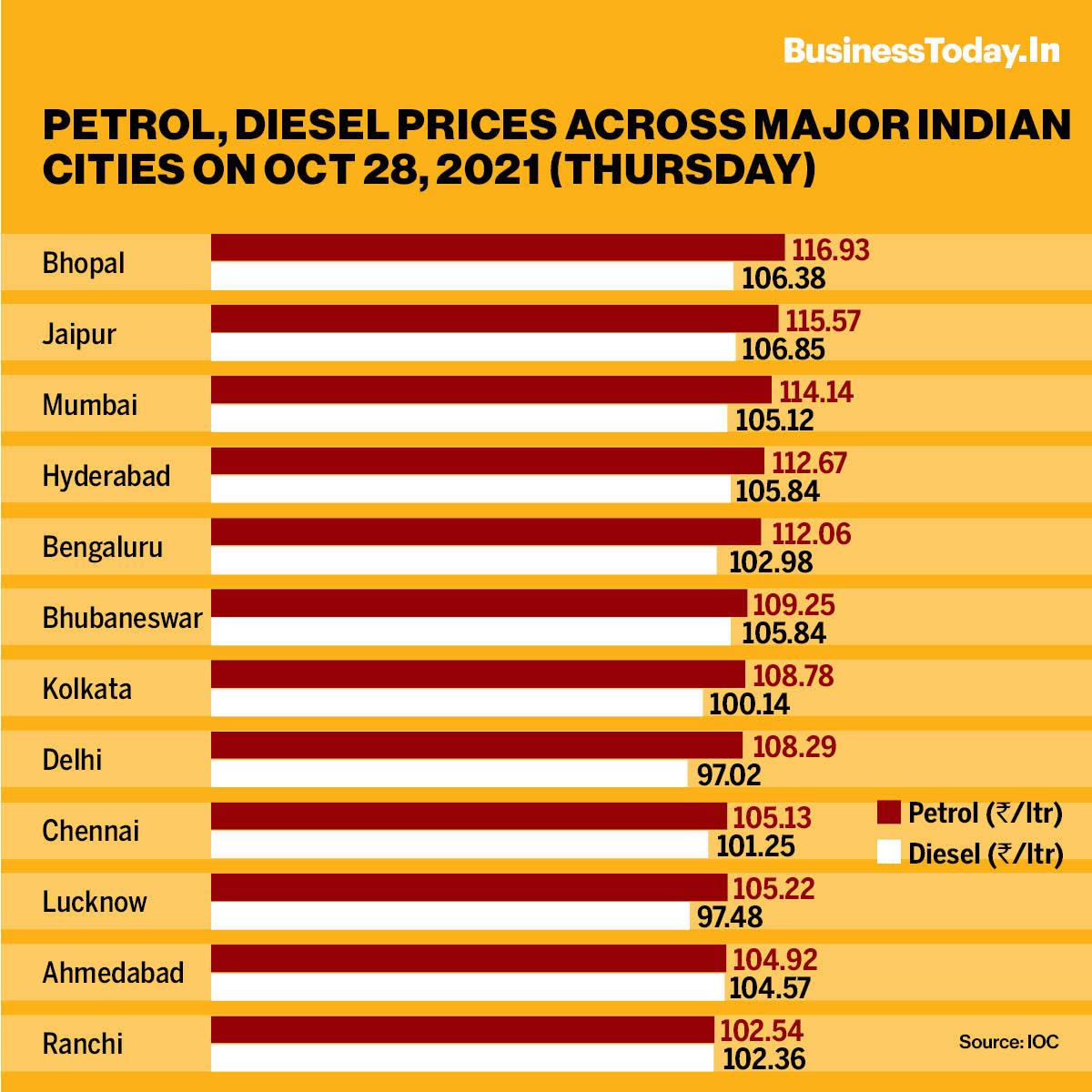
The Middle East controls a large share of global oil supply. Any conflict in the region can immediately push crude oil prices upward.
India imports most of its oil. When oil becomes expensive:
Transport costs rise
Electricity costs rise
Food prices rise
Inflation increases
For banks, inflation brings several consequences:
Interest rates may increase
Loan EMIs rise
Customers struggle to repay loans
Risk of defaults increases
Credit teams would need to monitor loan portfolios closely, especially sectors like aviation, logistics, transport and manufacturing.
2. Interest Rate Changes and Loan Stress
Higher inflation often forces central banks to raise interest rates.
This affects bankers directly:
Home loan EMIs rise
Car loan EMIs rise
Business loan costs rise
When borrowing becomes expensive, customers cut spending and businesses slow down. This increases pressure on loan recovery teams and raises the risk of non-performing assets.
3. Rupee Weakness and Foreign Exchange Pressure




In times of war, global investors move money to safer countries. This often weakens emerging-market currencies.
If the rupee weakens:
Import costs rise
Foreign travel becomes expensive
Companies with dollar loans face higher repayments
Bank treasury departments must manage currency risk and hedging more aggressively.
4. Increased Compliance and Sanctions Monitoring


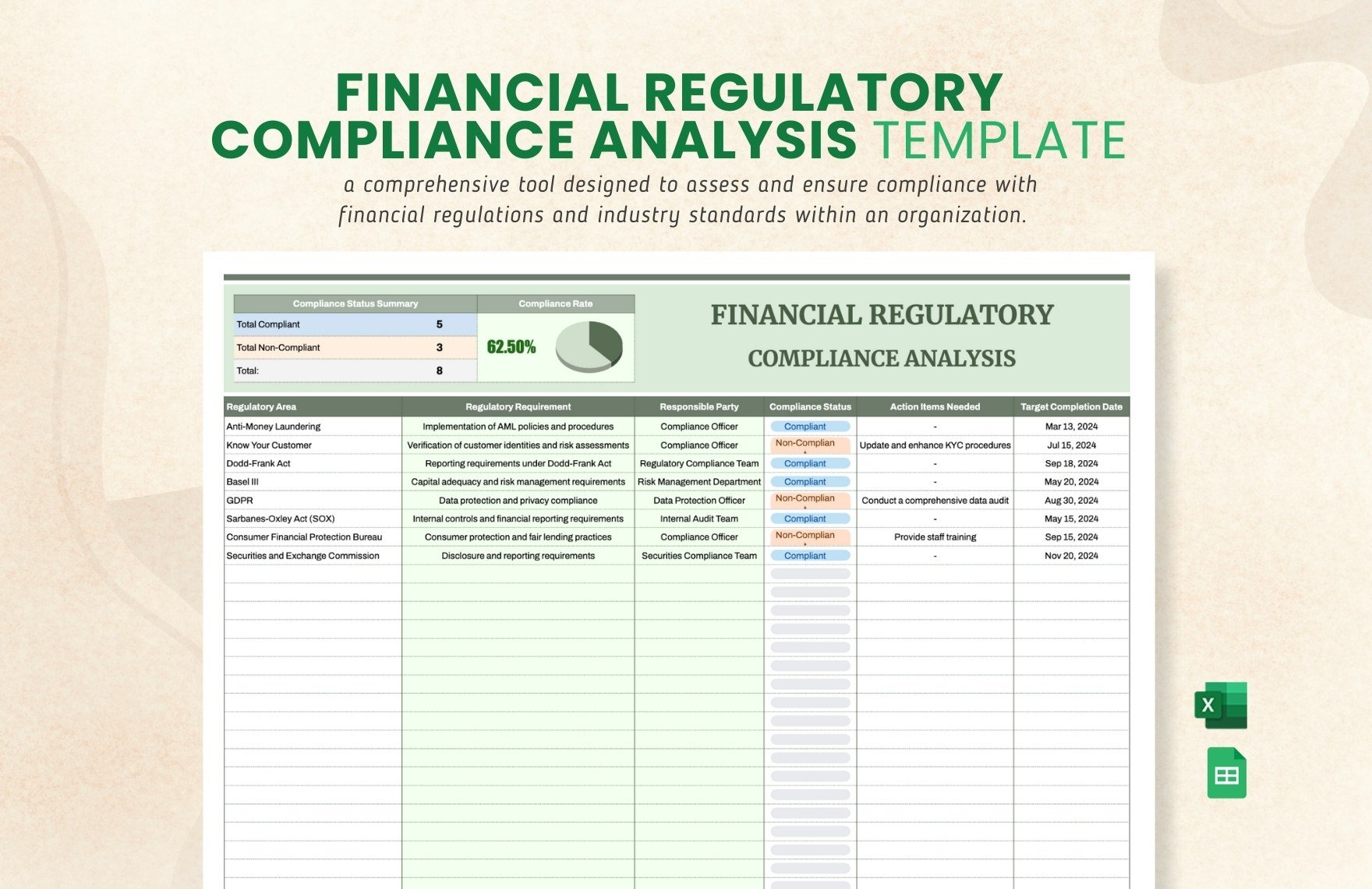

Wars bring sanctions.
Banks must become extremely cautious about international payments. Compliance teams would see a surge in:
Transaction monitoring
KYC and AML checks
Cross-border payment scrutiny
Bankers working in operations and compliance could experience increased workload and pressure.
5. Cybersecurity Threats Rise
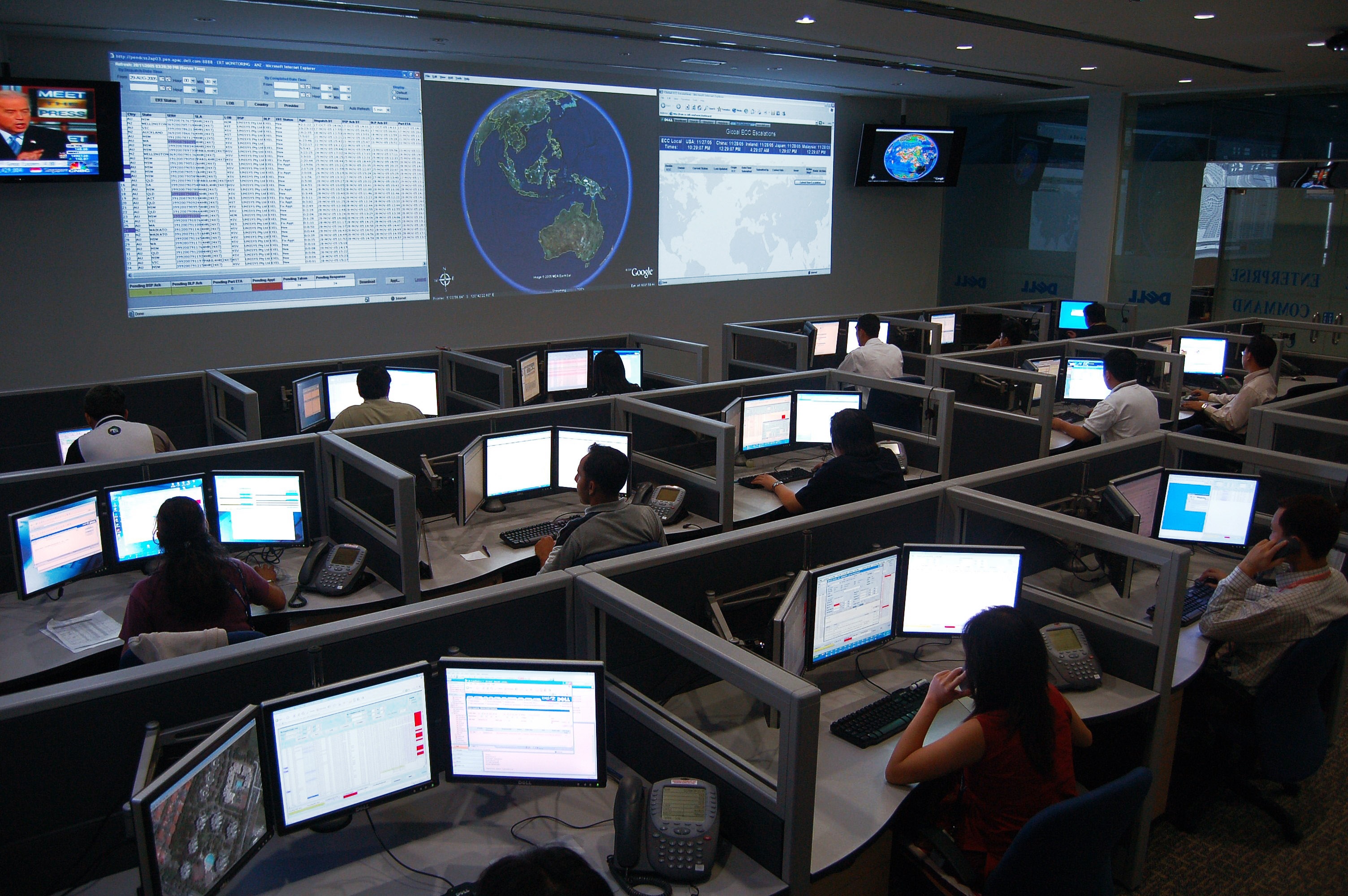

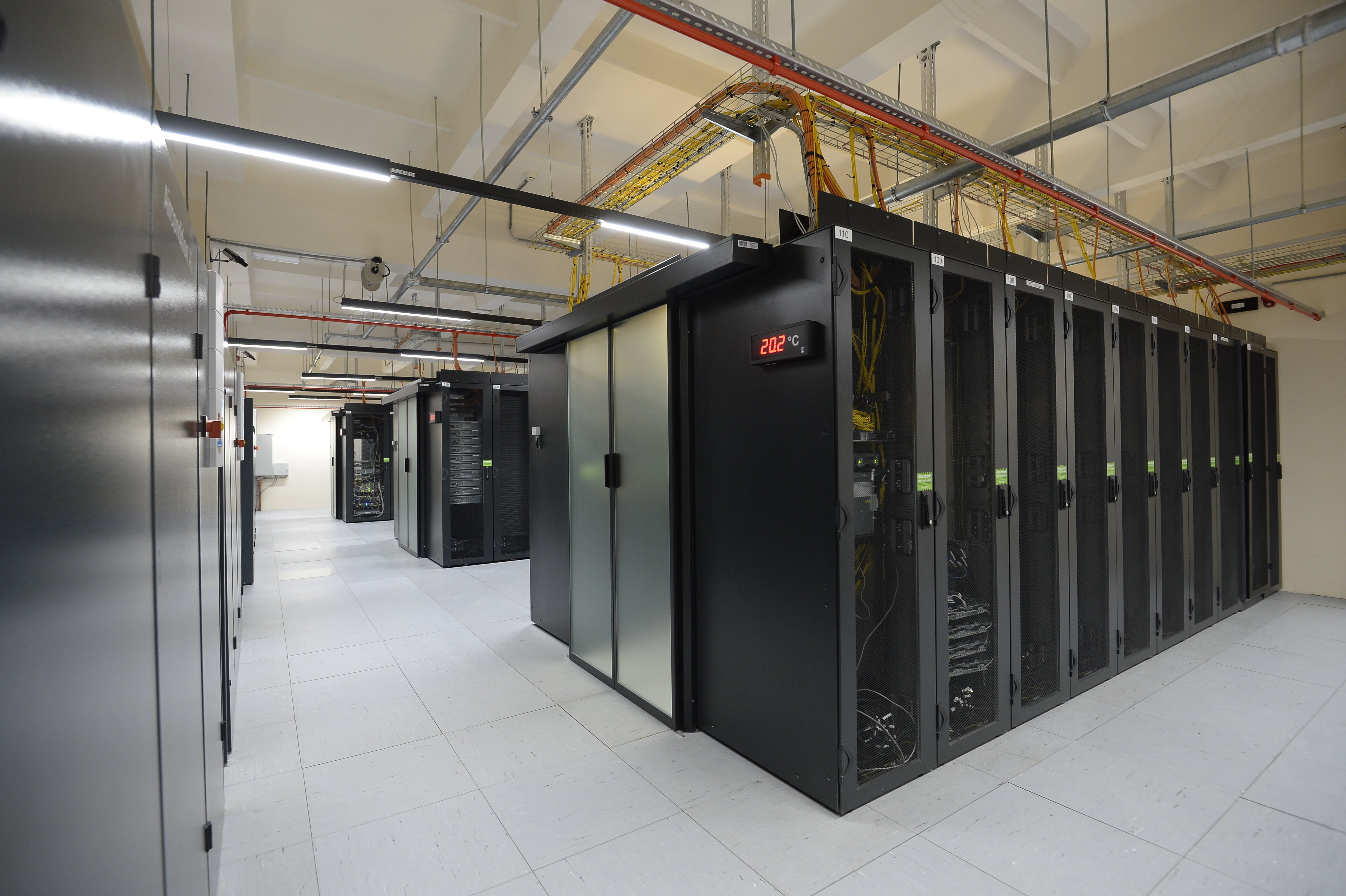

Financial institutions are common targets during geopolitical tensions.
Possible threats include:
Cyber attacks on banking systems
Fraud attempts
Ransomware attacks
Data theft attempts
IT and cybersecurity teams would move to high alert. Even branch staff may face stricter digital security protocols.
6. Remittance Risk from Gulf Countries




Millions of Indians work in Gulf countries. If conflict disrupts jobs or travel:
Remittances could fall
Bank deposits may reduce
Spending in some regions may drop
Branches in states like Kerala, Telangana and Uttar Pradesh could feel the impact first.
7. Increased Workload and Stress in Banks
During global crises, banks become crisis-management centres.
Bankers may face:
Longer work hours
Emergency meetings
Daily risk reporting
Customer panic handling
Frontline staff often handle worried customers asking about savings, loans and investments.
PART 2 — PERSONAL IMPACT ON BANKERS
8. Cost of Living May Rise


War driven inflation affects everyone personally.
Fuel becomes expensive
Food prices rise
Electricity bills rise
Travel becomes costly
Bankers, like all families, must adjust budgets and spending habits.
9. Investment Portfolio Volatility
Stock markets typically fall during wars due to uncertainty.
Bankers who invest in:
Mutual funds
Stocks
Retirement funds
may see temporary losses and volatility in portfolios.
10. Family Concerns for Relatives Abroad
Many Indian families have relatives in the Middle East. Conflict can cause:
Travel disruptions
Evacuation concerns
Communication challenges
Emotional stress can increase during such periods.
11. Mental Stress and Job Pressure




Combining professional pressure and personal financial worries can lead to burnout.
Banks often encourage employees to focus on wellbeing during crisis periods.
PART 3 — HOW BANKS PREPARE FOR SUCH CRISES
Banks usually activate crisis management plans that include:
Liquidity monitoring
Customer communication
Cybersecurity strengthening
Risk stress testing
Emergency cash logistics
Preparedness reduces panic and ensures continuity of services.
Final Thoughts
A USA-Iran war would affect Indian bankers in multiple ways.
Professionally, it would increase workload, risk management and compliance responsibilities.
Personally, it could raise living costs, stress and financial uncertainty.
However, the banking system is built to handle global shocks. Strong regulation, crisis planning and financial discipline help banks remain stable during uncertain times.
For bankers, preparation, awareness and calm communication become the most important tools during such global events.
